Winter can be tough on outdoor structures, especially in regions that experience heavy snowfall and...
Read more
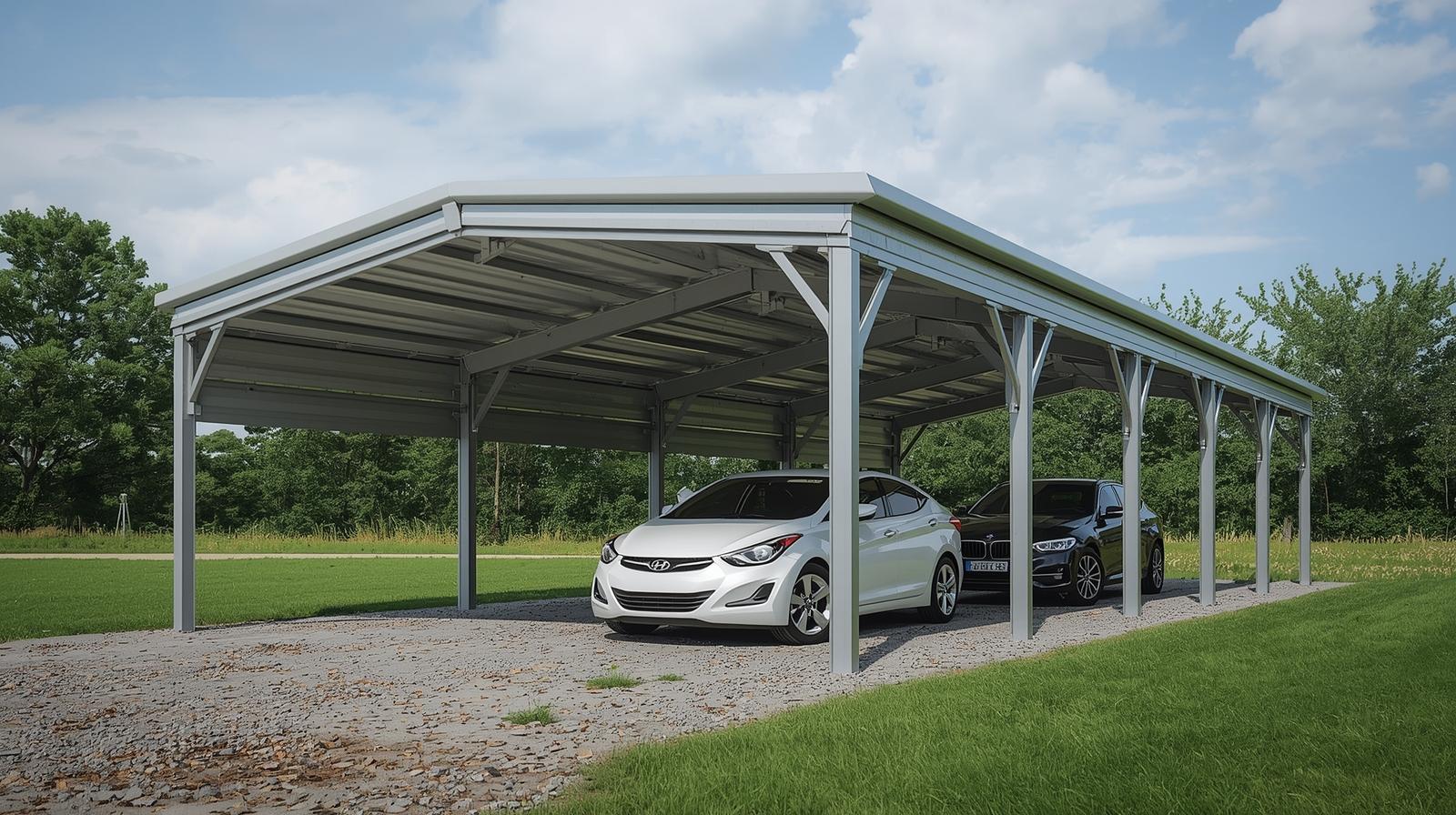
Anchoring is the backbone of a strong and reliable metal carport. Even the best-designed structure can fail if it isn’t anchored properly. Unfortunately, many homeowners and even installers make small but costly mistakes during installation — mistakes that can lead to instability, damage, or even complete failure during harsh weather.
In this blog, we’ll walk you through the common mistakes when anchoring a metal carport and share expert tips to help you avoid them — ensuring your carport stays safe, sturdy, and long-lasting.
One of the biggest mistakes is anchoring a carport without preparing the installation site. Uneven, soft, or unstable ground can cause the carport to shift or lean over time.
Level the area before installation.
Remove debris, roots, or soft soil patches.
For dirt or gravel surfaces, compact the soil to create a solid base.
Proper site prep ensures your anchors hold firmly and your carport stays aligned.
Different surfaces require different anchor types — and using the wrong one is a common (and risky) mistake.
For example:
Concrete slabs need wedge or expansion anchors.
Gravel and soil surfaces require auger-style anchors.
Asphalt works best with specialized asphalt anchors or rebar spikes.
Always check your ground type and choose the correct anchors recommended by the manufacturer. The wrong anchors can loosen quickly, especially in high winds or rain.
Anchors that don’t go deep enough into the ground or concrete fail to provide proper grip. This can cause the carport to lift or tilt under pressure.
For soil, ensure auger anchors go at least 30 inches deep.
On concrete, drill deep enough to achieve full expansion.
Double-check that all anchors are tight and evenly spaced.
A deep anchor equals strong resistance against uplift and movement.
Many localities have building codes that specify how carports must be anchored for safety reasons. Skipping this step can lead to fines or forced removal.
Check your local regulations before installation.
Follow guidelines for wind ratings and snow loads.
If needed, get professional advice or a certified installer.
Complying with codes not only keeps you safe — it protects your investment legally and structurally.
A common mistake is underestimating the local climate. Areas prone to high winds or heavy snowfall require stronger anchoring systems and additional reinforcements.
Choose anchors rated for your region’s wind speed.
Add braces or extra supports for high-wind zones.
Inspect anchors annually for wear or loosening.
A carport anchored for your weather conditions will always last longer and perform better.
Even the strongest anchors can loosen over time due to vibration, temperature changes, or ground movement. Neglecting regular inspection is another costly oversight.
Inspect your carport at least twice a year.
Tighten anchor bolts and replace corroded parts immediately.
After severe storms, always check for movement or cracks.
Consistent maintenance ensures your carport remains secure and reliable year after year.
While DIY installation is popular, many homeowners underestimate how technical anchoring can be. Without the right tools or understanding, mistakes happen easily.
Always follow the manufacturer’s installation guide.
Use proper anchoring tools like torque wrenches and drills.
If unsure, consult a professional installer for assistance.
A few hours of expert help can save you from major repair costs later.
Anchoring your metal carport correctly is the key to its longevity and safety. By avoiding these common mistakes when anchoring a metal carport, you ensure that your structure remains steady, compliant, and built to last.
Take the time to prepare your site, choose the right anchors, and follow proper installation steps — it’s a small effort that delivers long-term peace of mind.
Discover exciting categories. Find what you're looking for.