Winter can be tough on outdoor structures, especially in regions that experience heavy snowfall and...
Read more
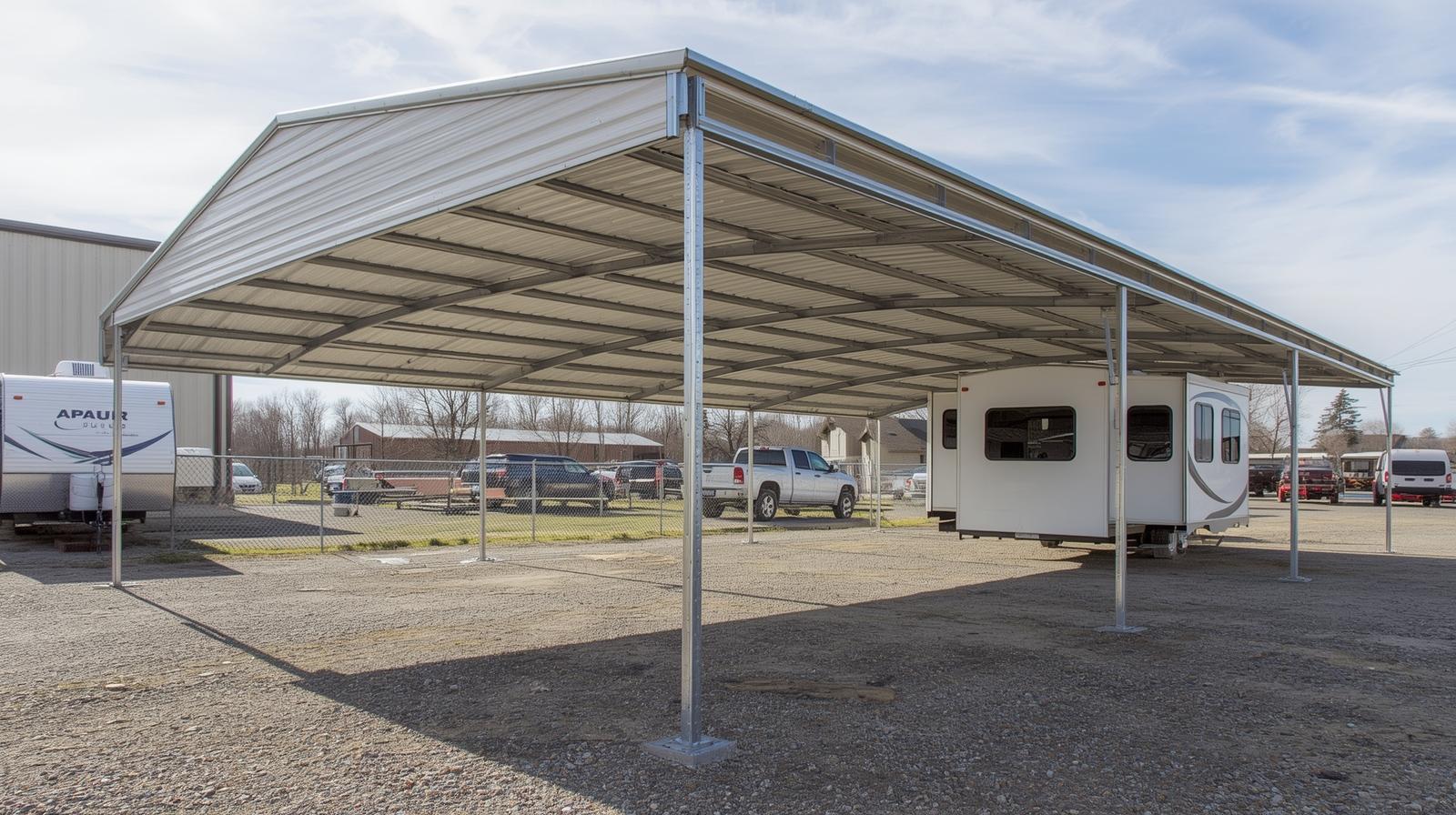
Anchoring is one of the most critical steps in installing a carport. It ensures that your structure remains stable, secure, and resistant to wind or shifting ground conditions.
But what if you don’t want to use concrete?
Many homeowners and DIY enthusiasts prefer to avoid concrete foundations due to cost, portability, or site limitations. Fortunately, there are several reliable ways to anchor a carport without concrete, offering both stability and flexibility.
At Metal Building Connect, we understand that not every site allows for concrete slabs. This guide covers the most practical, safe, and cost-effective anchoring alternatives you can use for your carport.
Ground anchors, also known as earth augers or helix anchors, are one of the most popular methods to secure a carport without concrete.
These metal anchors screw deep into the soil, creating strong resistance against wind uplift and movement.
Mark anchor points on each leg base of the carport.
Use a power drill or manual rod to twist the anchor into the ground.
Attach the anchor head to the base rail using a cable or bracket.
Best suited for:
• Soft soil or dirt foundations
• Areas where portability is needed
• Temporary or semi-permanent structures
Advantages:
• Easy to install and remove
• No digging or curing time required
• Cost-effective and strong for moderate wind zones
Mobile home anchors are similar to ground anchors but built for heavier loads and long-term stability. These anchors feature a spiral design and are installed using a drive rod or drill.
Drive the anchor 3–4 feet into the ground at an angle.
Secure the top loop with a tension cable or strap to the carport base.
Tighten the connection to ensure stability.
Best suited for:
• Loose or sandy soil
• Areas with moderate wind exposure
Advantages:
• Designed for structural safety standards
• Stronger than basic auger anchors
• Can be reused for future installations
Rebar anchors are steel rods hammered into the ground through the carport base rails. They are ideal for compacted soil or gravel surfaces where deeper anchoring is not possible.
Align the carport frame and pre-drill holes through the base rail.
Insert rebar rods into the holes and hammer them into the ground.
Ensure the rods are at least 2 feet deep for maximum hold.
Best suited for:
• Gravel driveways or compacted dirt areas
• Smaller carports or light-duty installations
Advantages:
• Inexpensive and easy to install
• Suitable for short-term or seasonal use
If your carport will be installed over an existing asphalt driveway or parking area, asphalt anchors are a great solution.
These anchors are designed to expand within the asphalt, creating a firm hold without damaging the surface.
Drill holes through the base rail into the asphalt.
Insert the specialized asphalt anchors.
Tighten bolts to expand the anchor and lock it in place.
Best suited for:
• Asphalt surfaces or driveways
• Semi-permanent installations
Advantages:
• Stronger than standard bolts
• Easy to remove and reinstall
• No concrete or soil digging required
For temporary carports or portable shelters, weighted anchoring systems can work well — especially when permanent fixtures aren’t allowed.
Use sandbags, concrete blocks, or steel ballasts to weigh down each leg of the carport.
Best suited for:
• Temporary carports
• Rental or restricted properties
Advantages:
• No digging or drilling needed
• Quick to install and remove
• Ideal for short-term use in mild weather
Note:
This method is not suitable for high-wind or storm-prone areas, as weights can shift or loosen under extreme conditions.
For areas with unpredictable weather, combining two anchoring methods can add extra safety.
For example:
• Use ground anchors and rebar together in windy regions.
• Combine asphalt anchors with weight ballasts for better stability.
This hybrid approach balances portability with long-term durability.
• Always check local building codes before installation.
• Tighten bolts and cables regularly to maintain tension.
• Inspect anchors after storms or high winds.
• Choose galvanized or rust-resistant anchors for longer lifespan.
Proper maintenance ensures your carport remains secure for years, even without a concrete foundation.
Anchoring a carport without concrete is both practical and reliable when done correctly. Whether you use ground anchors, rebar, or asphalt bolts, each method offers stability without the need for heavy groundwork.
The right choice depends on your site conditions, weather exposure, and whether you need a temporary or permanent setup.
At Metal Building Connect, we help homeowners and contractors make informed decisions about safe and efficient carport installations. A well-anchored structure not only protects your investment but ensures peace of mind for years to come.
Discover exciting categories. Find what you're looking for.