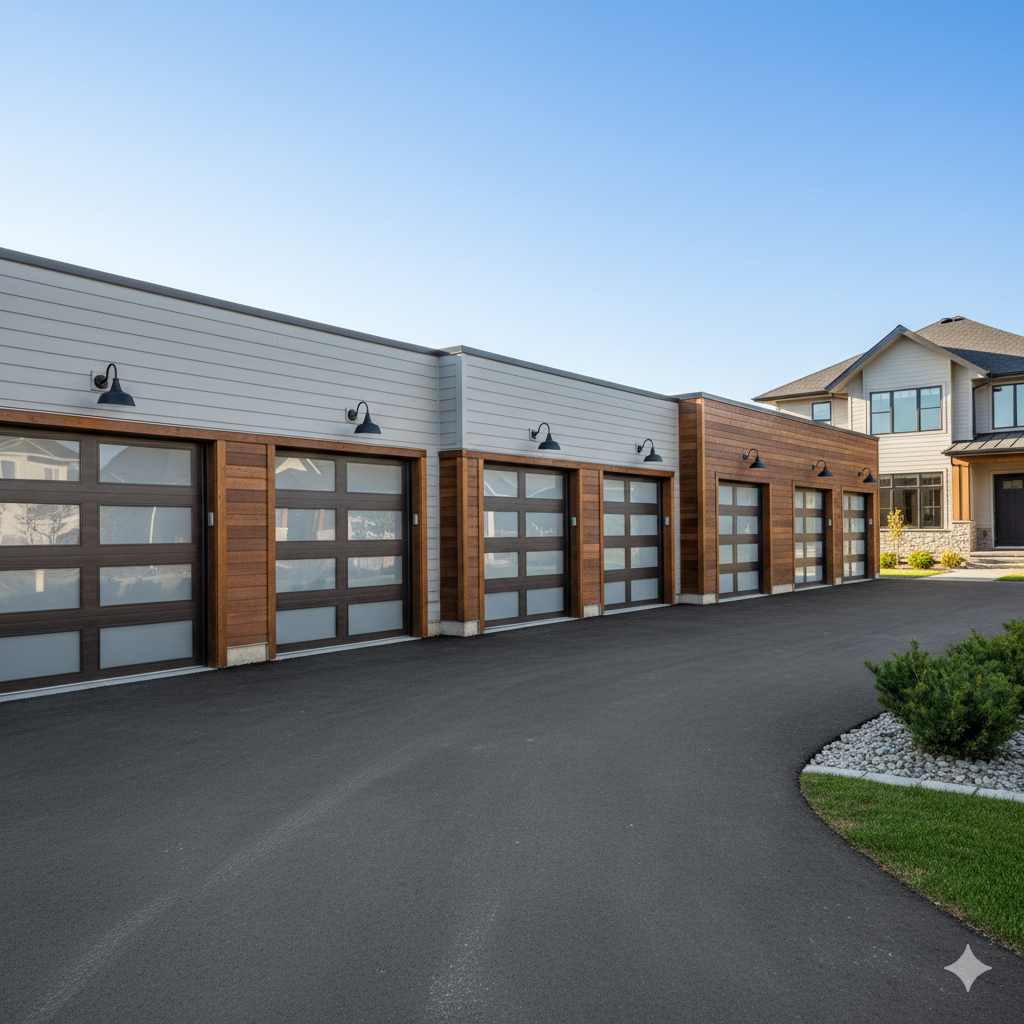
Metal buildings are popular for their strength, versatility, and affordability—but installing one in a coastal...
Read more
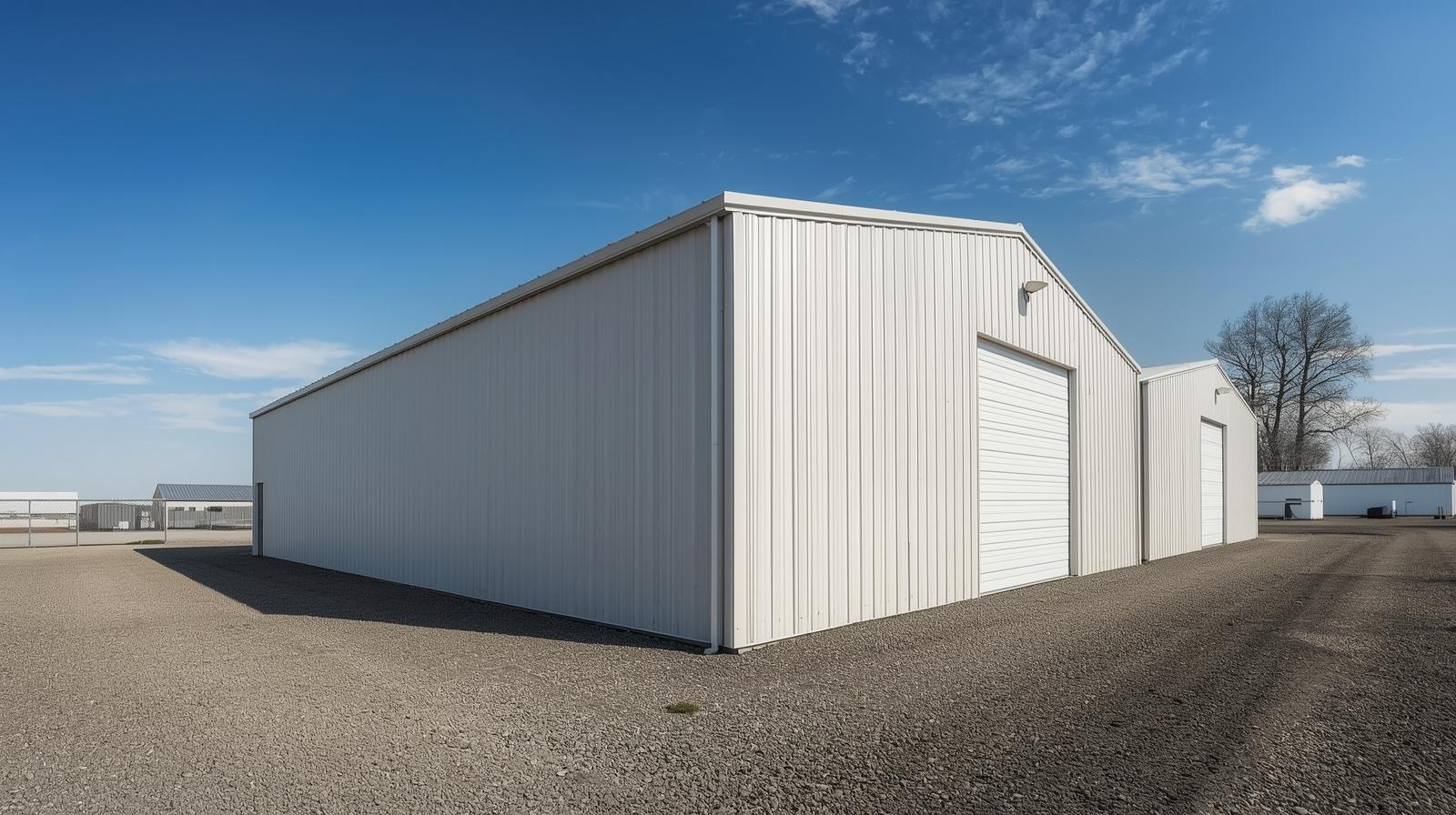
Over the past few years, metal builders across the industry have faced a new challenge: rising material prices. Steel, coatings, transportation, and manufacturing costs have all increased, impacting project budgets and profit margins. While price fluctuations are not fully in a builder’s control, the way builders respond can make a significant difference.
To stay competitive, metal building contractors and manufacturers must adopt strategic cost-saving practices without compromising quality. Here are the most effective cost-saving strategies for metal builders navigating today’s market.
One of the biggest ways to reduce project costs is by planning purchases in advance. Instead of buying materials reactively, metal builders should monitor market trends and stock up during price dips.
Key approaches include:
Bulk purchasing when prices are lower
Long-term agreements with suppliers
Monitoring monthly steel price fluctuations
Avoiding last-minute emergency purchases
Smart planning helps stabilize project costs, even when the market is unstable.
Design efficiency plays a major role in cost control. Small changes in structure layout, dimensions, or framing can significantly reduce material usage.
Effective design strategies include:
Standardizing building dimensions to minimize cuts
Using engineered designs that optimize steel usage
Avoiding over-specification
Selecting roof styles or framing options that require fewer components
Less waste means lower costs and faster installation.
Inaccurate estimates lead to cost overruns. Modern metal builders use digital tools and AI-powered software to improve accuracy and reduce errors.
Benefits include:
Precise material calculations
Automated design-to-estimate conversions
Reduced chances of ordering excess steel
Faster quoting and project turnaround
Better estimations protect profit margins and strengthen client trust.
Strong supplier relationships help metal builders manage rising prices more effectively. Builders can negotiate competitive rates, get priority during shortages, and access better lead times.
Strategies include:
Building partnerships with multiple suppliers
Exploring local suppliers to reduce transportation costs
Comparing pricing contracts regularly
Reducing dependency on a single source
A flexible supply chain lowers risks related to cost spikes and delays.
Installation mistakes can lead to wasted materials, extended labor hours, and rework costs. Proper training helps teams install structures more efficiently and avoid costly errors.
Focus on:
Regular team training sessions
Updated installation manuals
Quality checks during each phase
Clear communication between design and field teams
Skilled teams reduce waste, improve speed, and maintain consistent quality.
Metal is one of the most recyclable construction materials. Reusing leftover steel, panels, or components helps builders reduce waste and stretch budget resources.
Options include:
Reusing framing pieces from previous projects
Selling scrap metal for extra revenue
Repurposing leftover panels for smaller projects
This reduces costs and supports sustainability goals.
While customization is important, standardized building packages help lower manufacturing and operational costs. By offering commonly requested sizes and layouts, builders can streamline production.
Advantages include:
Less design time
Predictable material usage
Faster installation
Lower labor costs
Standard packages give customers affordability and builders stability.
Though these may appear more expensive initially, energy-efficient coatings and insulated panels reduce long-term operational costs for clients. This creates added value and allows builders to maintain competitive pricing.
Examples include:
Cool roof coatings
Insulated panels
Weather-resistant materials that reduce maintenance
Energy efficiency improves customer satisfaction and supports premium pricing.
Transparent communication is a cost-saving strategy in itself. When customers understand why prices fluctuate, they are more willing to move forward with projects instead of delaying them.
Provide:
Clear explanations of market price trends
Realistic timelines and cost breakdowns
Options to lock prices for limited periods
Good communication strengthens trust and reduces cancellations or revisions.
Rising material prices are challenging, but they do not have to limit growth. Metal builders can maintain profitability by planning strategically, optimizing designs, improving supply chains, and using technology to their advantage. With the right cost-saving strategies in place, builders can stay competitive and deliver high-quality projects regardless of market conditions.
Discover exciting categories. Find what you're looking for.
