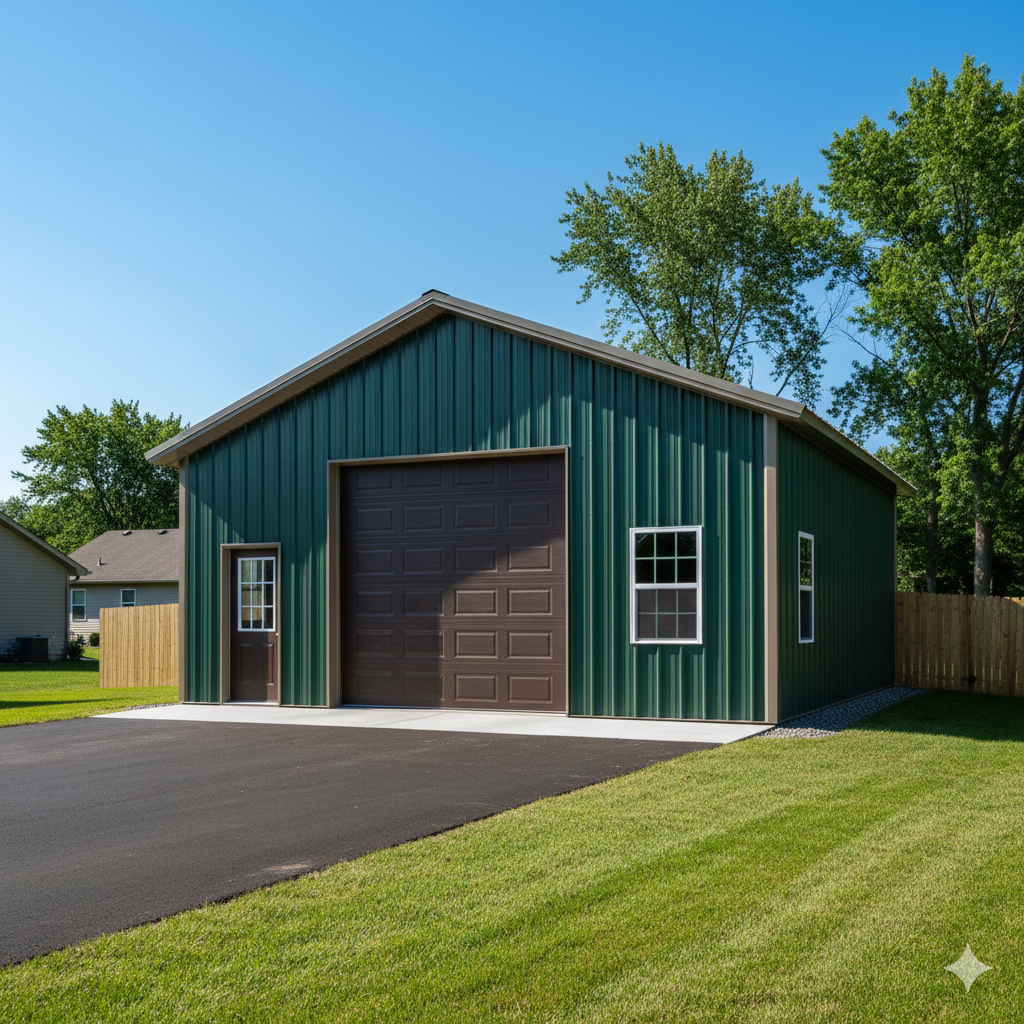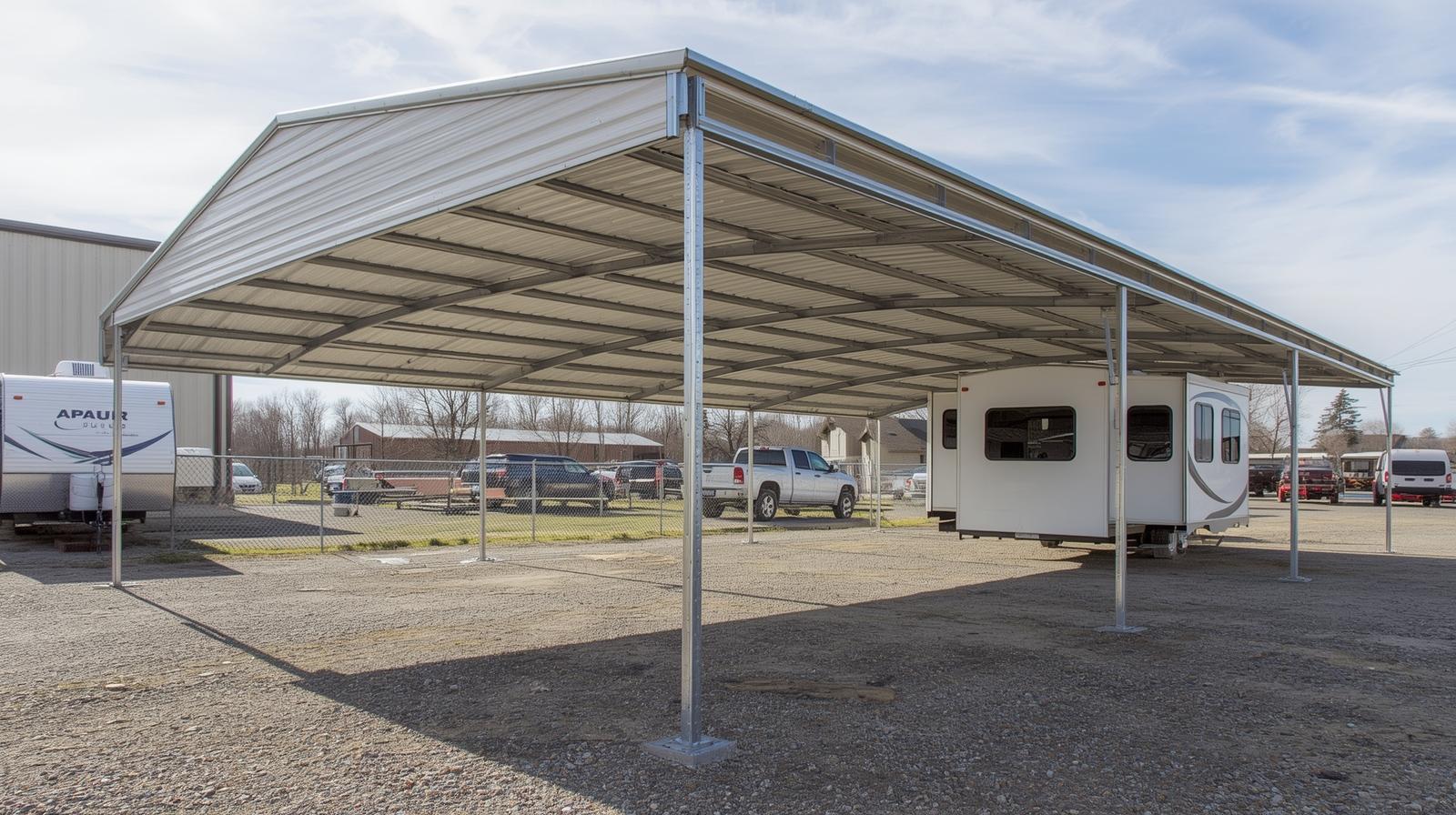
Winter can be tough on outdoor structures, especially in regions that experience heavy snowfall and...
Read more
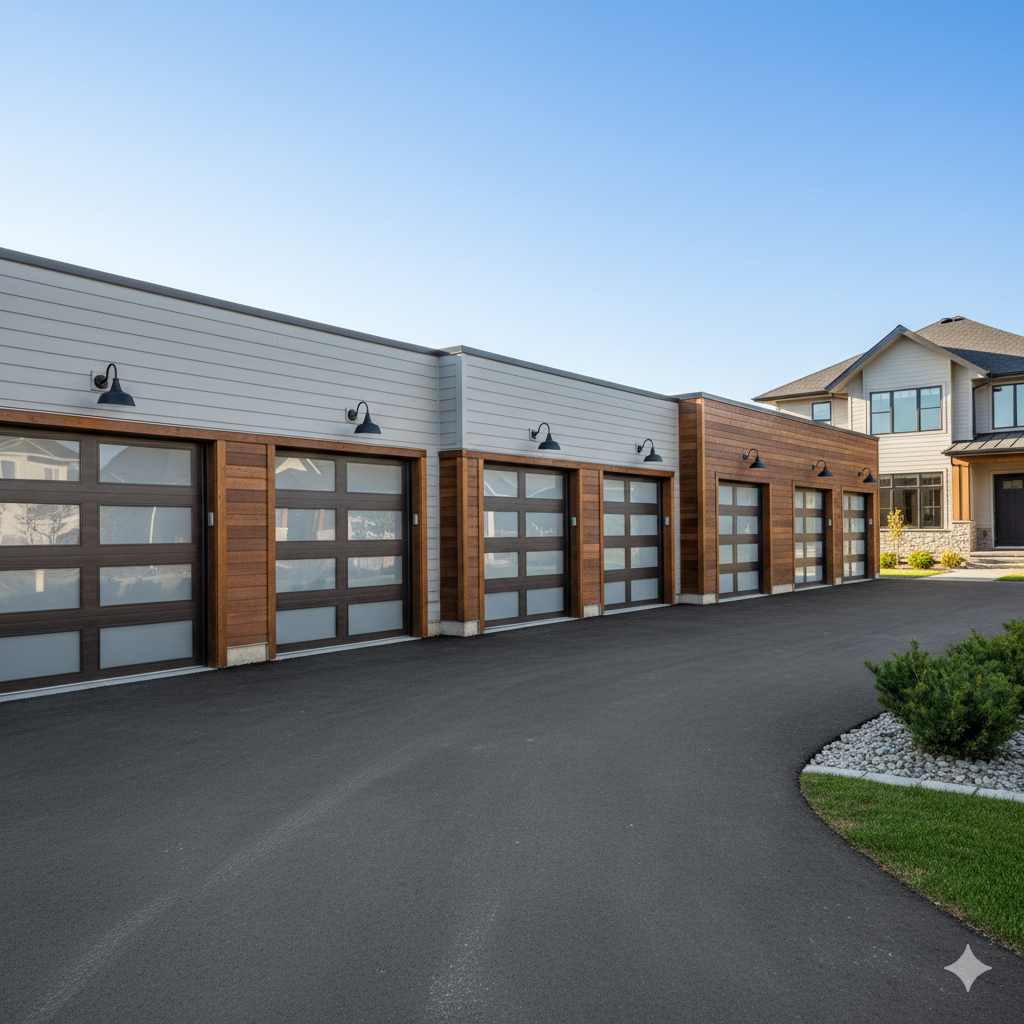
Choosing the right roofing style is one of the most important decisions when purchasing a metal carport, garage, or building—especially if you live in a snowy region. Winter weather brings challenges such as heavy snow loads, ice accumulation, and strong winds. The roof you choose directly impacts your building’s durability, longevity, and overall safety.
This guide breaks down the three most popular roofing styles—Vertical, Regular, and A-Frame—to help you understand which is best for snowy climates and why.
Snow acts as a heavy load on any structure. If the roof cannot shed snow efficiently, it increases the risk of:
Structural stress
Sagging or bending panels
Leaks or moisture buildup
Roof collapse in extreme conditions
A proper roof style ensures weight is distributed correctly and snow slides off quickly, reducing long-term damage and maintenance costs.
The vertical roof is widely considered the strongest and most weather-resistant option for snow-heavy areas.
Vertical-oriented panels that allow snow to slide off easily
Additional framing support underneath the roof
Ridge caps and side trims that reinforce durability
Engineered to withstand heavy snow and high winds
The vertical design prevents snow buildup, reducing weight load and minimizing pressure on the roof. This results in fewer maintenance needs and a longer lifespan for the building.
Mountain regions
Northern states with long winters
Commercial buildings requiring high durability
Homeowners needing maximum weather protection
The A-frame roof, also known as a boxed-eave roof, provides a more traditional house-like appearance while offering better strength than a regular roof.
Horizontal roof panels
Angled roof shape for moderate snow shedding
Stronger structure compared to regular roofs
Attractive design that blends with residential architecture
While it handles moderate snow well, the horizontal panels can allow some accumulation. This means it requires more maintenance than a vertical roof but still performs better than basic options.
Areas with light to moderate snowfall
Homeowners wanting an aesthetic, house-like look
Budget-conscious buyers needing strong performance
The regular roof is the most economical option and features curved edges with horizontal sheet metal panels. However, it is the least recommended for snowy regions.
Simple design with rounded edges
Horizontal panels similar to A-frame roofs
Lower cost due to simpler framing
The horizontal panel layout allows snow to accumulate rather than slide off. Over time, this buildup can lead to excessive weight on the structure, requiring more frequent manual clearing.
Warm regions with minimal snow or rainfall
Basic storage or temporary structures
Buyers with limited budgets who don’t face winter extremes
Vertical Roof: Excellent
A-Frame Roof: Moderate
Regular Roof: Low
Vertical Roof: Highest
A-Frame Roof: Medium
Regular Roof: Basic
Vertical Roof: Minimal
A-Frame Roof: Occasional snow removal
Regular Roof: Frequent snow clearing
If you live in a snowy region or experience harsh winters, the answer is clear: the vertical roof style provides the best performance, safety, and long-term value.
Choose based on your climate:
Vertical Roof (best choice)
A-Frame Roof (suitable option)
Regular Roof (budget-friendly option)
The right roofing style can make a huge difference in how your metal building performs during winter. When comparing Vertical vs Regular vs A-Frame, the vertical roof stands out as the most durable, reliable, and snow-resistant choice.
Investing in the proper roof design ensures your structure stays strong through the winter season, protecting what matters most.
Discover exciting categories. Find what you're looking for.