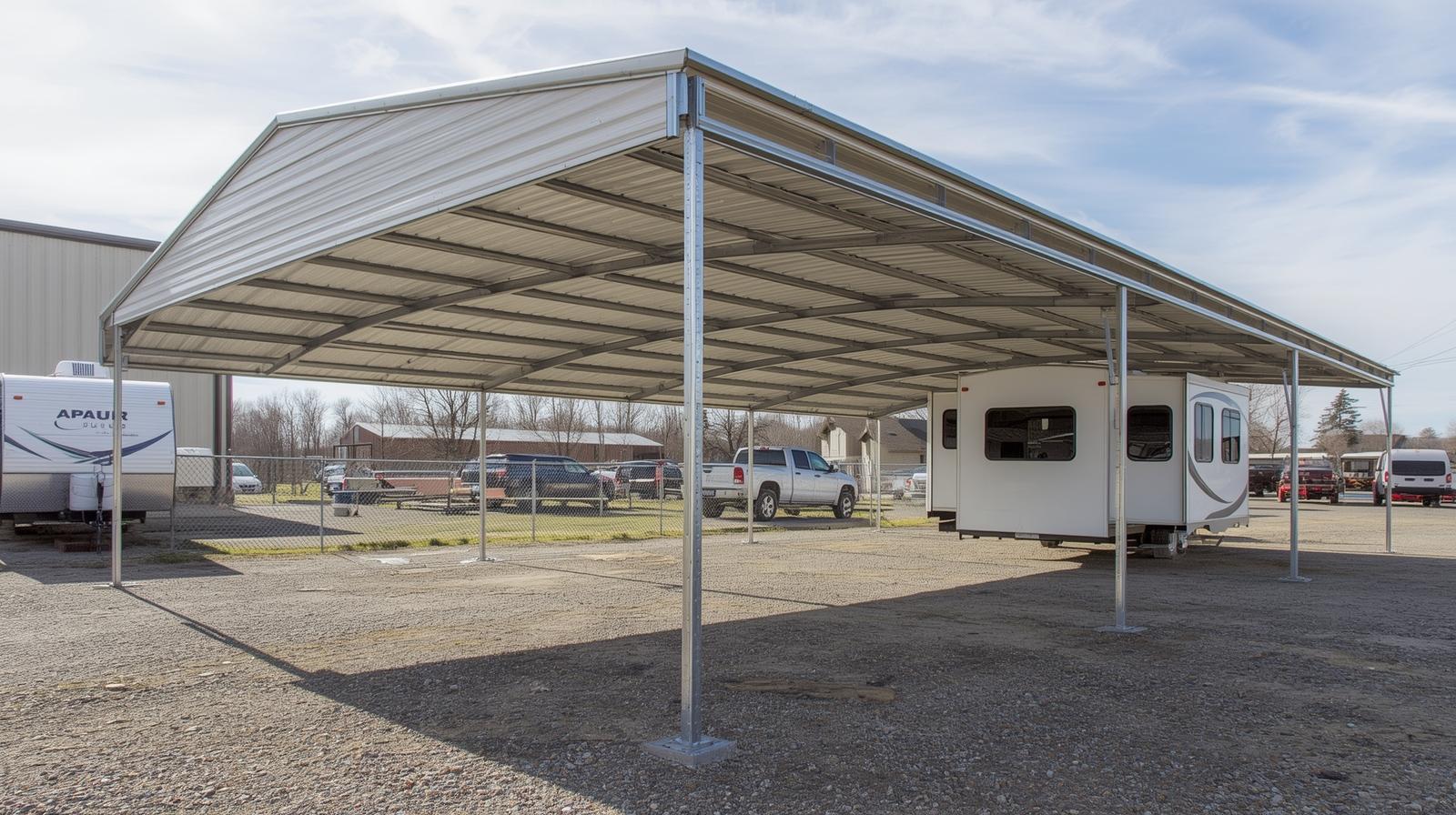
Winter can be tough on outdoor structures, especially in regions that experience heavy snowfall and...
Read more
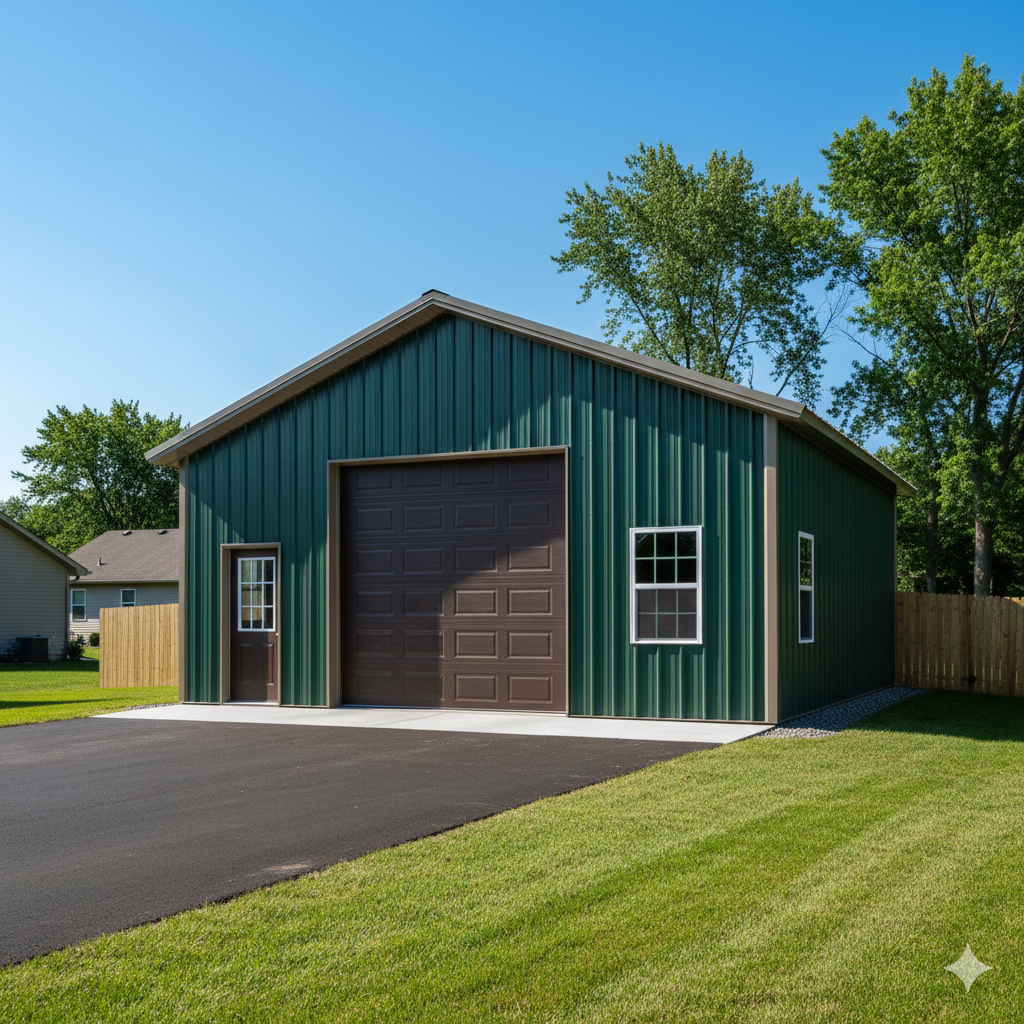
Carports have become a popular addition to residential properties, offering affordable protection for vehicles and valuable outdoor space. However, before installing a carport, homeowners must understand both the legal requirements and construction best practices involved. Building without proper approvals can lead to fines, forced removal, or structural risks in the future.
This guide covers the essential residential carport building requirements and best practices to help homeowners plan safely, legally, and efficiently.
Most cities and counties require a building permit before installing a residential carport. Permits ensure the structure meets safety and engineering standards.
A building permit typically requires:
Detailed site plan
Carport dimensions and structural specs
Engineering certification (if required)
Roof load and wind rating details
Always check with your local building authority before beginning construction.
Zoning laws control where you can place a carport on your property. These vary by area and may include restrictions on:
Carport height
Distance from property lines
Placement relative to the main house
Materials allowed in residential zones
Coverage limits for accessory structures
Reviewing zoning rules early prevents design changes later.
Setbacks define the minimum distance your carport must be from property boundaries, sidewalks, and neighboring structures.
Common setback considerations include:
Front yard setback
Side yard setback
Rear yard setback
Distance from utility lines
Failing to follow setback rules may result in permit denial or required relocation.
If you live in an HOA community, additional approvals may be required.
HOAs often regulate:
Carport color
Design and aesthetics
Material choices
Placement within the property
Submit all necessary documents to avoid HOA violations.
Some locations require carports to be certified for wind, snow, and seismic loads. This ensures the carport can withstand local weather conditions.
Engineering certification may be required if:
You live in a hurricane-prone region
Your area receives heavy snowfall
Local codes require stamped drawings
Certified carports offer long-term safety and legal compliance.
Before installation, verify that you are not building over:
Water lines
Sewage systems
Gas lines
Electrical conduits
Drainage easements
Utility conflicts can cause costly issues or legal violations.
Metal carports are preferred due to durability, low maintenance, and cost-effectiveness. Opt for:
Galvanized steel frames
Rust-resistant coatings
Strong roofing panels
This ensures long-term performance with minimal upkeep.
Roof styles impact weather protection and structural integrity.
Most common carport roof styles:
Vertical roof (best for snow and heavy rain)
A-frame or boxed-eave roof
Regular roof (budget-friendly for mild climates)
Choose based on your local weather conditions.
Anchoring is critical for stability and safety, especially in high-wind areas.
Common anchoring options include:
Concrete anchors
Auger anchors for soil
Asphalt anchors
Always follow manufacturer recommendations or local building codes.
Consider long-term needs such as:
Additional parking space
Enclosing the carport into a garage
Adding storage areas or workshops
A flexible design saves money later.
Professional installation ensures structural accuracy and safety. Experienced installers understand:
Code requirements
Proper alignment and anchoring
Weather-related construction challenges
This reduces risks and ensures the carport meets inspection standards.
Evaluate the installation area for:
Level ground
Drainage patterns
Obstructions like trees or fences
A well-prepared site leads to smoother construction and better durability.
Building a carport without following regulations can lead to:
Permit violations
Local code penalties
Insurance claim denials
Forced demolition or relocation
Ensuring compliance protects your investment and your property value.
Building a residential carport involves more than choosing the right design—it requires following local legal requirements and construction best practices to ensure safety, compliance, and long-term reliability.
By understanding permits, zoning rules, setbacks, engineering needs, and proper installation methods, homeowners can confidently add a carport that meets both functional and regulatory standards.
Discover exciting categories. Find what you're looking for.