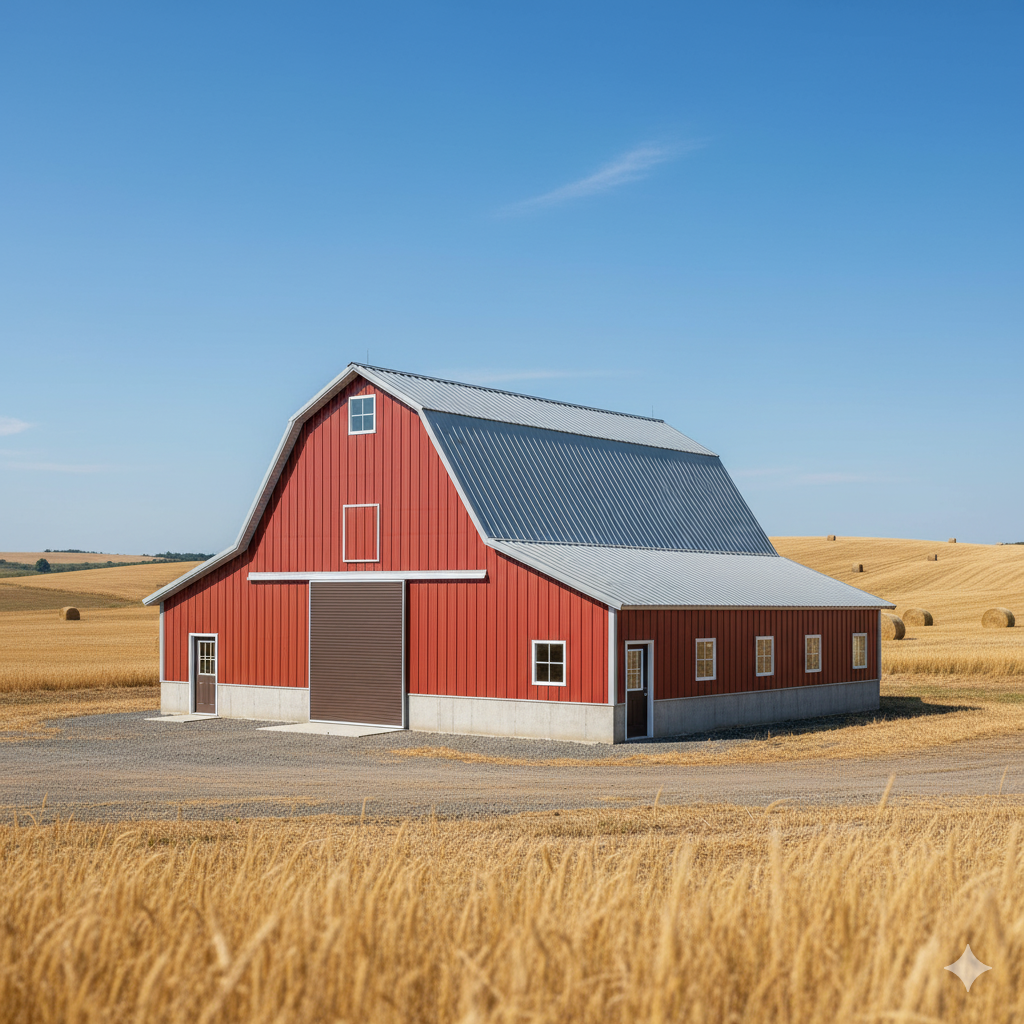
One of the biggest myths about metal buildings is that customization always leads to high...
Read more
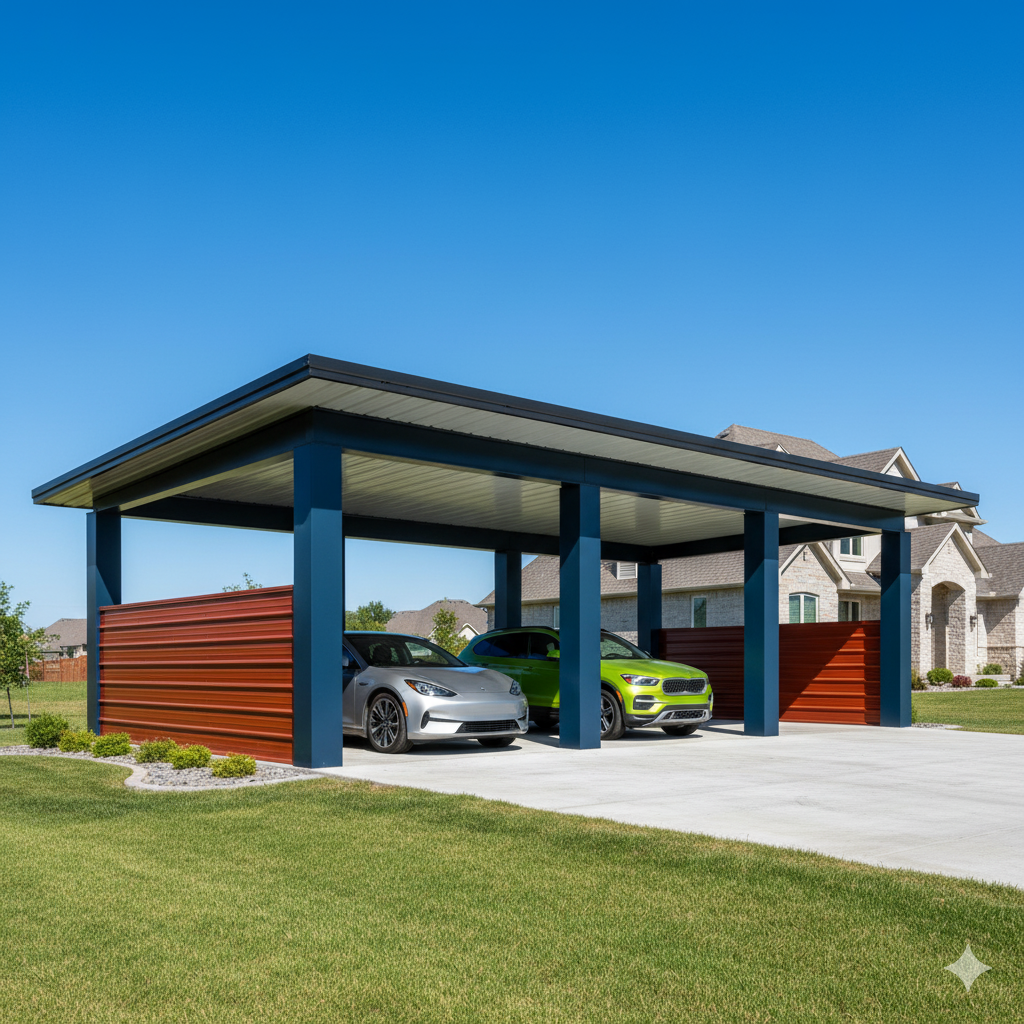
Prefabrication is no longer an emerging trend—it is rapidly becoming the backbone of modern construction and manufacturing. As industries demand faster timelines, higher precision, and sustainable solutions, prefabricated components and modular systems are transforming how buildings and infrastructure are created.
For metal building manufacturers, adapting to these changes is no longer optional—it is essential. Companies that embrace advanced prefabrication methods will unlock new efficiencies, scale faster, and stay competitive in an evolving marketplace.
Here’s a complete look at the future of prefabrication in manufacturing and why the time to adapt is now.
Traditional construction methods are slow, labor-intensive, and prone to weather delays. Prefabrication solves these challenges by shifting most of the work to controlled manufacturing environments.
Faster project timelines
Reduced on-site labor
Improved quality control
Less waste and material handling
Predictable project costs
Manufacturers who adopt streamlined prefabrication processes can deliver metal buildings in days or weeks instead of months.
Technology is reshaping prefabrication, enabling unprecedented accuracy and speed. Automation reduces human error, improves repeatability, and supports large-scale production.
CNC cutting and bending machines
Robotic welding systems
Automated material handling
3D modeling and digital twins
AI-assisted production planning
Manufacturers who integrate automation into their workflow will drastically enhance output and quality.
Customers today want speed and customization. Modern prefabrication systems make it possible to offer tailored designs while maintaining high efficiency.
Custom roof pitches
Variable building widths and heights
Add-on bays for expansions
Integrated insulation systems
Custom openings for doors and windows
Flexible prefab solutions help manufacturers meet diverse customer needs without slowing down production.
Environmental responsibility is now a key decision factor for builders and consumers. Prefabrication reduces waste, supports recycling, and minimizes environmental impact.
Precise production reduces scrap
Steel is 100 percent recyclable
Less machinery and disruption on job sites
More energy-efficient building envelopes
As green building standards rise, manufacturers using prefab methods will gain a competitive edge.
Labor shortages in construction are pushing the industry toward factory-based production. Prefabrication requires fewer workers on site and shifts labor to controlled manufacturing environments where training is easier and production is more predictable.
This allows manufacturers to:
Reduce labor dependency
Improve safety
Boost output with smaller teams
Maintain consistent production year-round
This shift is essential for meeting growing demand without compromising deadlines.
Emerging cities are becoming growth hotspots for metal buildings and industrial structures. Prefabrication enables manufacturers to scale faster into these markets by offering quick installation and low logistical challenges.
Easy transport
Faster deployment
Modular expansion options
Consistency across multiple locations
Manufacturers who adapt now will capture significant market share in these fast-growing regions.
Modern prefabrication relies heavily on data for accuracy and efficiency.
Data is used for:
Predictive maintenance
Optimized material usage
Real-time production tracking
Quality audits
Cost forecasting
Manufacturers who leverage data will operate smarter, reduce waste, and improve decision-making.
The biggest advantage of prefabrication is scalability. With the right systems in place, manufacturers can grow operations without proportionally increasing costs or resources.
New product lines
Larger factory output
Multi-location operations
Faster dealer support
Expanded service territories
Prefabrication ensures growth does not compromise quality.
The industry is moving fast. Companies that wait risk falling behind competitors who deliver faster, smarter, and more sustainable prefab solutions.
Reduce costs and increase margins
Deliver projects faster
Win more bids
Improve product consistency
Strengthen dealer and customer relationships
Lead the industry instead of catching up
Prefabrication is no longer the future. It is the present—and the manufacturers embracing it today will dominate the market tomorrow.
The future of prefabrication is defined by automation, speed, customization, sustainability, and data-driven manufacturing. With demand rising across residential, commercial, and industrial sectors, manufacturers must evolve now to stay relevant and competitive.
At Metal Building Connect, we help manufacturers modernize processes, attract dealers, streamline production, and leverage the full potential of prefabricated steel systems.
Discover exciting categories. Find what you're looking for.