Australian farming operates under unique conditions—intense heat, wide open land, seasonal weather extremes, and large-scale...
Read more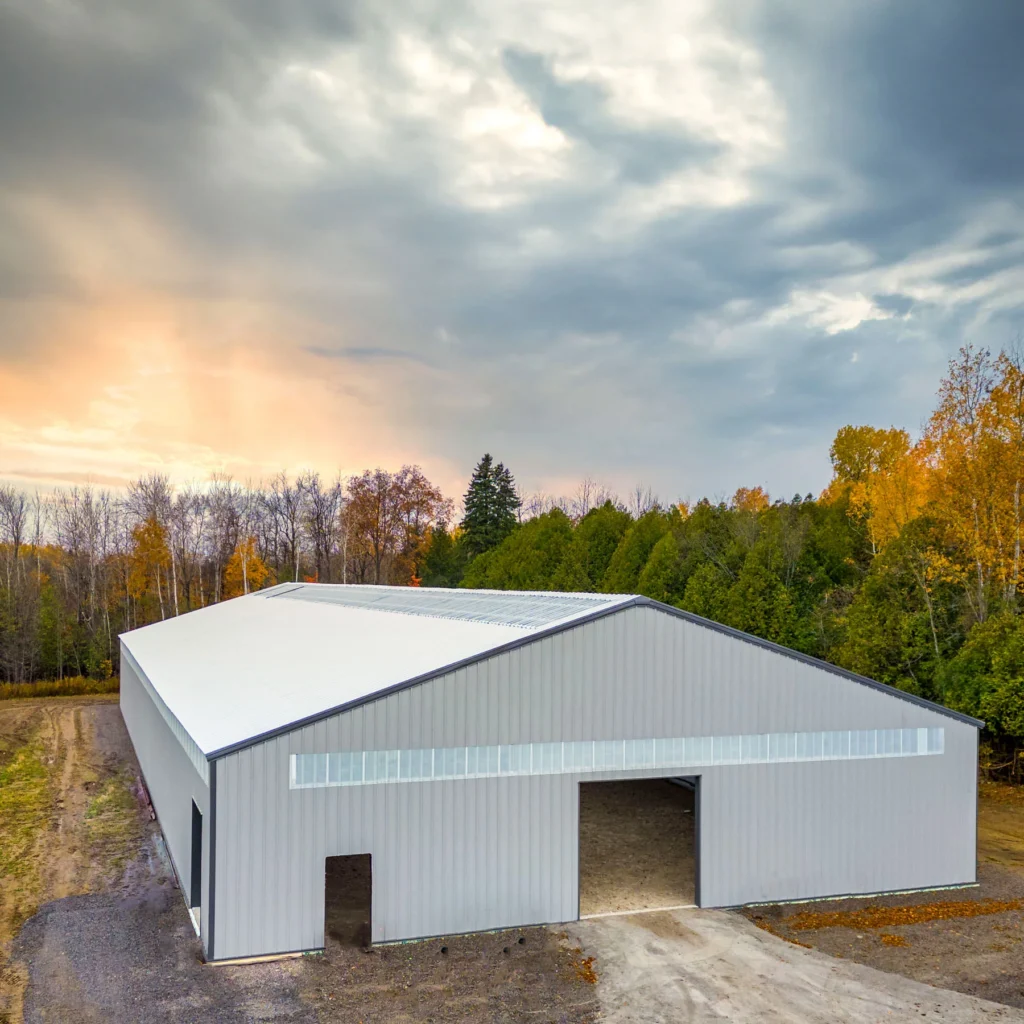
Building a metal barn on agricultural land in Canada is a smart investment for farmers, ranchers, and rural property owners. Metal barns are durable, cost-effective, and ideal for storage, livestock, and equipment.
However, before construction begins, it’s essential to understand agricultural zoning rules in Canada. Zoning laws vary by province and municipality, and skipping this step can lead to fines, delays, or even demolition orders.
What Is Agricultural Zoning in Canada?
Agricultural zoning (often labeled A, AG, or AL) is a land-use classification used by Canadian provinces and municipalities to protect farmland and support agricultural activities.
Land zoned agricultural is typically intended for:
-
Farming and crop production
-
Livestock operations
-
Equipment and feed storage
-
Agricultural support buildings like barns and sheds
Metal barns usually fit within agricultural zoning, but only when used for approved farm purposes.
Are Metal Barns Allowed on Agricultural Land in Canada?
In most cases, yes, metal barns are allowed—but with conditions.
A metal barn is typically permitted if it is used for:
-
Livestock housing
-
Hay, grain, or feed storage
-
Tractor and farm equipment storage
-
Farm workshops related to agricultural activity
⚠️ Important: Using a metal barn for commercial, industrial, or residential purposes may require rezoning or a special permit.
Provincial vs. Municipal Zoning Rules in Canada
Canada does not have one single zoning law. Instead, rules are applied at two levels:
1. Provincial Regulations
Provinces like Ontario, Alberta, British Columbia, and Saskatchewan set broad agricultural land protection policies. Examples include:
-
Ontario’s Provincial Policy Statement (PPS)
-
British Columbia’s Agricultural Land Reserve (ALR)
These laws prioritize farming and limit non-agricultural development.
2. Municipal Zoning Bylaws
Local municipalities control:
-
Building size and height
-
Setbacks from property lines and roads
-
Maximum lot coverage
-
Permit requirements
Always check local zoning bylaws before planning your metal barn.
Do You Need a Building Permit for a Metal Barn?
In most Canadian municipalities, yes, you need a building permit.
You’ll typically be asked for:
-
Site plan showing barn location
-
Engineered metal building drawings
-
Intended use of the barn
-
Compliance with zoning setbacks
Some small agricultural buildings may be exempt, but never assume—permit exemptions vary widely.
Setback Rules for Metal Barns on Farmland
Setbacks define how far your barn must be from:
-
Property boundaries
-
Roads and highways
-
Water bodies and wetlands
-
Neighboring residences
Common setback requirements may include:
-
10–30 meters from roads
-
3–15 meters from property lines
-
Larger setbacks near environmentally sensitive areas
These rules protect safety, drainage, and neighboring land use.
Size and Height Limits for Agricultural Metal Barns
Zoning bylaws often regulate:
-
Maximum floor area
-
Building height
-
Number of accessory buildings allowed
Larger barns are usually allowed only if directly tied to farm operations. A hobby farm may face stricter size limits than a full-scale agricultural business.
Environmental and Conservation Restrictions
Some farmland falls under:
-
Conservation authority jurisdiction
-
Floodplain regulations
-
Wetland protection zones
If your metal barn is near:
-
Rivers or lakes
-
Protected habitats
-
Sloped or flood-prone land
You may need additional approvals beyond standard zoning permits.
What Happens If You Build Without Approval?
Constructing a metal barn without following zoning rules in Canada can result in:
-
Stop-work orders
-
Heavy fines
-
Forced building removal
-
Difficulty selling or refinancing property
Getting approvals upfront is far cheaper than fixing violations later.
How to Check Agricultural Zoning Before Building
Before ordering your metal barn:
-
Contact your municipal planning or building department
-
Confirm your land’s zoning designation
-
Ask about permitted agricultural uses
-
Verify permit and setback requirements
-
Request written confirmation if possible
This step can save months of delays.
Why Metal Barns Are Ideal for Canadian Farms
Despite zoning requirements, metal barns remain one of the best choices for Canadian agriculture because they offer:
-
Snow-load engineered designs
-
Resistance to rot, pests, and moisture
-
Fast construction timelines
-
Lower long-term maintenance costs
When properly permitted, metal barns align perfectly with agricultural zoning goals.
Conclusion
Understanding agricultural zoning rules in Canada for metal barns doesn’t have to be complicated. The key is planning early, checking local bylaws, and ensuring your barn is clearly used for agricultural purposes.
At Metal Building Connect, we help landowners make informed decisions before they build—so projects stay compliant, efficient, and stress-free.
If you’re planning a metal barn on agricultural land in Canada, zoning knowledge is your strongest foundation.
Recent Blogs
Similar Blogs You May Like
Discover exciting categories. Find what you're looking for.

Canada’s winters are among the harshest in the world. Heavy snowfall, sub-zero temperatures, strong winds,...
Read more
Australian agriculture operates under some of the most demanding environmental conditions in the world. From...
Read more
Wooden barns have a rustic charm — but they don’t last forever. Over time, weather,...
Read more