Selling carports in tornado-prone regions is different. In states like Oklahoma and Texas, buyers don’t...
Read moreCreating a fire-resistant carport is essential for safeguarding your vehicles and property from potential hazards. Whether you reside in a wildfire-prone area or want to enhance safety precautions, follow this comprehensive guide to constructing a carport that prioritizes fire resistance.
Understanding Fire Safety Requirements
Familiarize Yourself with Regulations
Before commencing construction, acquaint yourself with local building codes and fire safety regulations. These guidelines specify materials, construction methods, and other requirements necessary for ensuring a structure.
Choosing Fire-Resistant Materials
Opt for building materials recognized for their fire resistance:
Metal: Steel or aluminum framing and roofing materials are inherently fire-resistant and can withstand high temperatures.
Concrete: Utilize concrete blocks or poured concrete for added fire protection.
Fire-Rated Wood Products: If using wood, select pressure-treated lumber or fire-rated plywood treated with fire-retardant chemicals.
Designing Your Fire-Resistant Carport
Keep the Design Simple
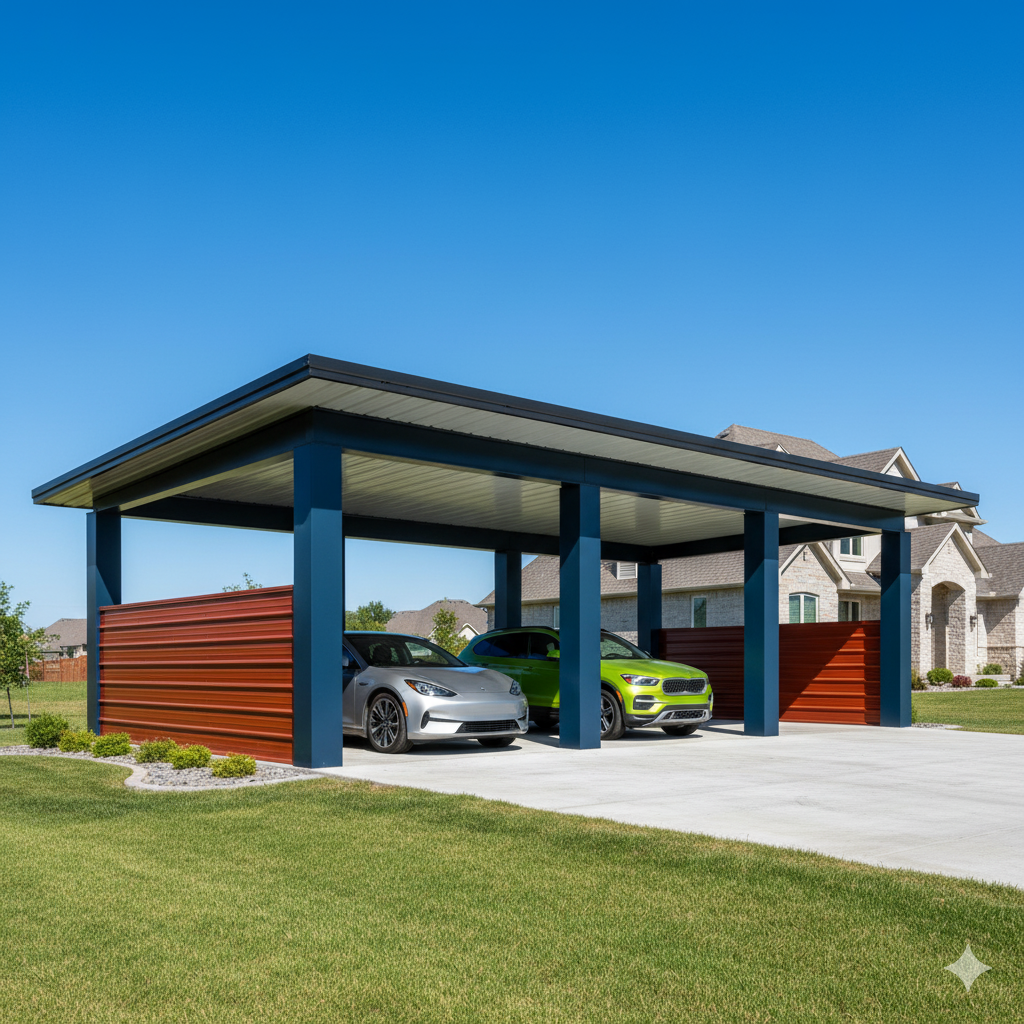
Simplify the carport’s structure to minimize fire hazards. An uncomplicated, open design with ample clearance around the carport reduces the risk of fire spreading.
Ensure Adequate Clearance
Maintain sufficient space between the carport and nearby structures, such as your home or other buildings, to prevent flames from spreading in case of fire.
Constructing Your Fire-Resistant Carport
Foundation and Framing of Fire-Resistant Carport
Sturdy Foundation: Begin with a robust, fire-resistant foundation such as concrete pads or footings to enhance stability and reduce fire risk.
Metal Framing: Utilize steel or aluminum for the carport frame. These materials offer durability and are resistant to corrosion.
Roofing and Covering
Non-Combustible Roofing: Select roofing materials that are non-combustible, such as metal roofing sheets or fire-rated shingles.
Clear Surroundings: Trim trees and shrubs surrounding the carport to prevent overhanging branches from posing a fire hazard.
Maintaining Fire Safety
Regular Debris Clearance
Keep the carport area free of dry leaves, branches, and other combustible materials that could ignite during a fire.
Install Fire Safety Equipment
Place fire extinguishers in accessible locations within the carport area. Regularly inspect and maintain them according to manufacturer guidelines.
Conclusion
Constructing a carport involves meticulous planning and selecting appropriate materials to mitigate risks effectively. By adhering to local regulations, choosing fire-resistant materials, and maintaining safety measures, you can create a safer environment for your vehicles and property. Prioritizing fire safety not only protects against potential hazards but also enhances peace of mind knowing your carport is resilient in the face of fire threats.
_______________________________________________________________________________________________________________________________
Recent Blogs
Similar Blogs You May Like
Discover exciting categories. Find what you're looking for.
Carports are built to protect vehicles.But what protects the carport itself? Harsh weather—like strong winds,...
Read more
Weather can damage vehicles faster than most people expect. Hail can dent surfaces.Sun exposure can...
Read more
Multi-bay metal carports are widely used for commercial parking, fleet storage, residential complexes, and industrial...
Read more