Garages are no longer just storage spaces. In 2026, they are becoming smart, connected, and...
Read moreSustainable Barn Construction: Eco-Friendly Practices for Modern Barns
Building a barn that not only serves its practical purposes but also minimizes environmental impact is increasingly important in today’s world. Sustainable barn construction focuses on using eco-friendly materials and techniques that reduce resource consumption, promote energy efficiency, and support long-term environmental stewardship. Let’s delve into how sustainable practices can be applied to barn building, ensuring both functionality and eco-consciousness.
Choosing Eco-Friendly Materials for Sustainable Barn
Recycled and Reclaimed Wood
Opt for recycled or reclaimed wood for framing, siding, and interior finishes. These materials have minimal environmental impact and add character with their weathered appearance. Salvaged barn wood can also give your new structure a rustic charm that connects to agricultural heritage.
Sustainable Timber
If using new wood, select sustainably sourced timber certified by organizations like the Forest Stewardship Council (FSC). This ensures the wood comes from responsibly managed forests where biodiversity and ecological balance are maintained.
Alternative Building Materials for Sustainable Barn
Explore alternative materials such as bamboo, straw bales, or rammed earth for construction. These materials are renewable, biodegradable, and often require less energy to produce compared to traditional building materials like concrete and steel.
Energy-Efficient Design for Sustainable Barn
Passive Solar Design
Incorporate passive solar principles into the barn’s design to optimize natural heating and cooling. Position windows and roof overhangs to maximize winter sun exposure while providing shade in summer. This reduces reliance on mechanical heating and cooling systems.
Insulation and Thermal Mass
Use high-quality insulation materials such as cellulose, wool, or recycled denim to minimize heat loss and gain. Consider incorporating thermal mass materials like adobe or concrete floors to stabilize indoor temperatures and improve energy efficiency.
Water Management and Efficiency
Rainwater Harvesting
Install a rainwater collection system to capture and store water for irrigation, livestock watering, or other non-potable uses. This reduces demand on municipal water supplies and conserves freshwater resources.
Greywater Recycling for Sustainable Barn
Implement a greywater recycling system to reuse water from sinks, showers, and washing machines for irrigation or toilet flushing. This reduces wastewater discharge and promotes water conservation on the property.
Green Roof and Living Wall Options for Sustainable Barn
Green Roof Sustainable Barn
Consider installing a green roof planted with vegetation. Green roofs provide natural insulation, improve air quality, and reduce stormwater runoff. They also create habitat for wildlife and enhance the barn’s aesthetic appeal.
Living Walls
Incorporate vertical gardens or living walls on exterior surfaces. These installations not only beautify the barn but also improve air quality, provide habitat for pollinators, and contribute to urban biodiversity.
Sustainable Construction Practices
Minimize Construction Waste
Plan construction to minimize waste generation and maximize recycling and reuse of materials. Donate reusable materials to salvage yards or non-profit organizations to extend their lifespan.
Energy-Efficient Lighting and Appliances
Install energy-efficient LED lighting and appliances inside the barn. Use timers, sensors, and smart controls to optimize energy use and reduce electricity consumption over time.
Conclusion
Constructing a sustainable barn involves thoughtful planning, material selection, and design strategies that prioritize environmental responsibility. By choosing eco-friendly materials, implementing energy-efficient design principles, and incorporating water conservation measures, you can create a barn that not only meets functional needs but also contributes positively to the environment. Embrace the opportunity to build responsibly and sustainably, ensuring your barn stands as a testament to both modern innovation and environmental stewardship.
_____________________________________________________________________________________________________________________________________________________________________
Recent Blogs
Similar Blogs You May Like
Discover exciting categories. Find what you're looking for.

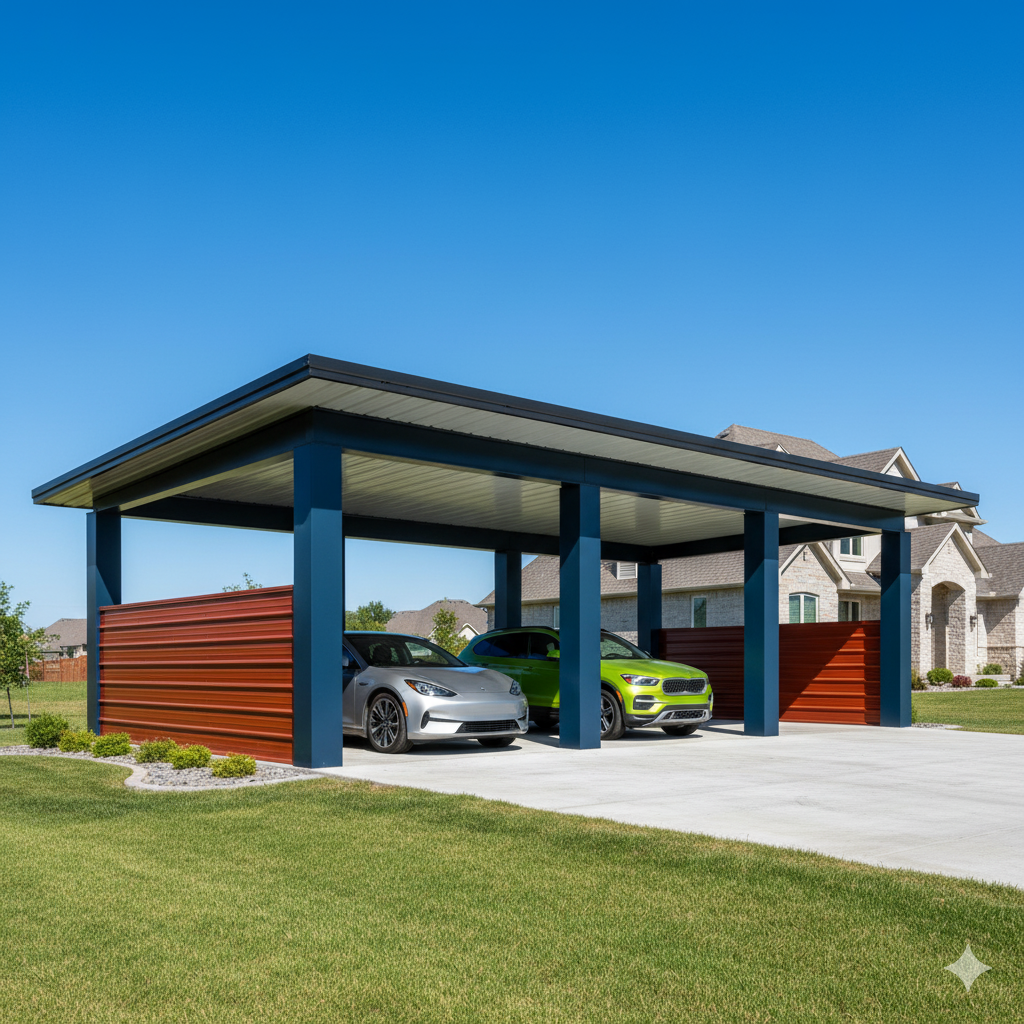
Selling carports in tornado-prone regions is different. In states like Oklahoma and Texas, buyers don’t...
Read more