Garages are no longer just storage spaces. In 2026, they are becoming smart, connected, and...
Read more
Steel remains the backbone of the metal building industry — from carports and garages to barns, workshops, and commercial structures. But in 2025, the industry is witnessing a steady rise in steel prices driven by global market fluctuations, supply chain adjustments, and increasing demand.
At Metal Building Connect, we work closely with dealers, manufacturers, and installation companies across the U.S. and have seen firsthand how these price hikes affect both businesses and customers. The good news? With the right strategies, you can manage costs effectively without compromising quality.
Why Steel Prices Are Rising in 2025
Steel prices are influenced by multiple global and local factors. The major drivers include:
1. Fluctuations in Global Supply
International steel production changes impact availability. When supply tightens, prices rise.
2. Increased Demand in the Construction Industry
Residential and commercial construction has seen a surge, putting pressure on steel demand.
3. Transportation & Freight Costs
Rising fuel prices and logistics challenges directly increase the landed cost of steel.
4. Market Volatility and Policy Changes
Tariffs, import regulations, and geopolitical tensions often lead to unpredictable shifts.
Understanding these factors helps suppliers plan better and communicate transparently with customers.
Smart Strategies to Manage Costs for Metal Building Projects
1. Offer Price-Locked Quotes (With a Time Limit)
Protect your margins by offering quotes valid for 7–15 days instead of locking prices long-term.
This ensures customers get clarity, and you avoid losses if steel prices climb.
2. Build Efficient Material Procurement Plans
At Metal Building Connect, we advise suppliers to maintain consistent communication with manufacturers to:
-
Secure early pricing
-
Plan orders in advance
-
Avoid last-minute price surges
Bulk ordering for commonly used sizes can also help cut costs.
3. Optimize Designs for Cost Efficiency
Encourage customers to choose designs that require fewer customizations.
Small adjustments — such as optimized spans, panel thickness, or roof styles — can significantly reduce steel usage.
4. Stay Updated With Market Trends
Track steel price reports weekly. At Metal Building Connect, we constantly monitor market fluctuations and share insights with our partners so they can make informed decisions before issuing quotes.
5. Improve Operational Efficiency
Lowering internal costs reduces the impact of steel price hikes.
This includes:
-
Better scheduling
-
Reducing installation delays
-
Avoiding material waste
-
Using digital tools for accurate planning and measurements
6. Educate Customers About Price Trends
Transparency builds trust.
Explain to customers why prices are shifting and provide them with options that fit their budget. This avoids misunderstandings later and increases conversions.
7. Diversify Product Offerings
If steel prices are high, promote cost-efficient alternatives like:
-
Standard-size carports
-
Pre-engineered kits
-
Seasonal offers or installation discounts
These options keep sales steady, even in price-sensitive markets.
Conclusion
Rising steel prices don’t have to slow down your business. With the right strategies, planning, and communication, metal building suppliers can continue delivering value while protecting profit margins.
At Metal Building Connect, we support suppliers with insights, digital solutions, and marketing strategies that help them stay ahead — even during market fluctuations.
If you want to stay competitive and keep your project costs under control, these steps will help you navigate the price shifts with confidence.
Recent Blogs
Similar Blogs You May Like
Discover exciting categories. Find what you're looking for.

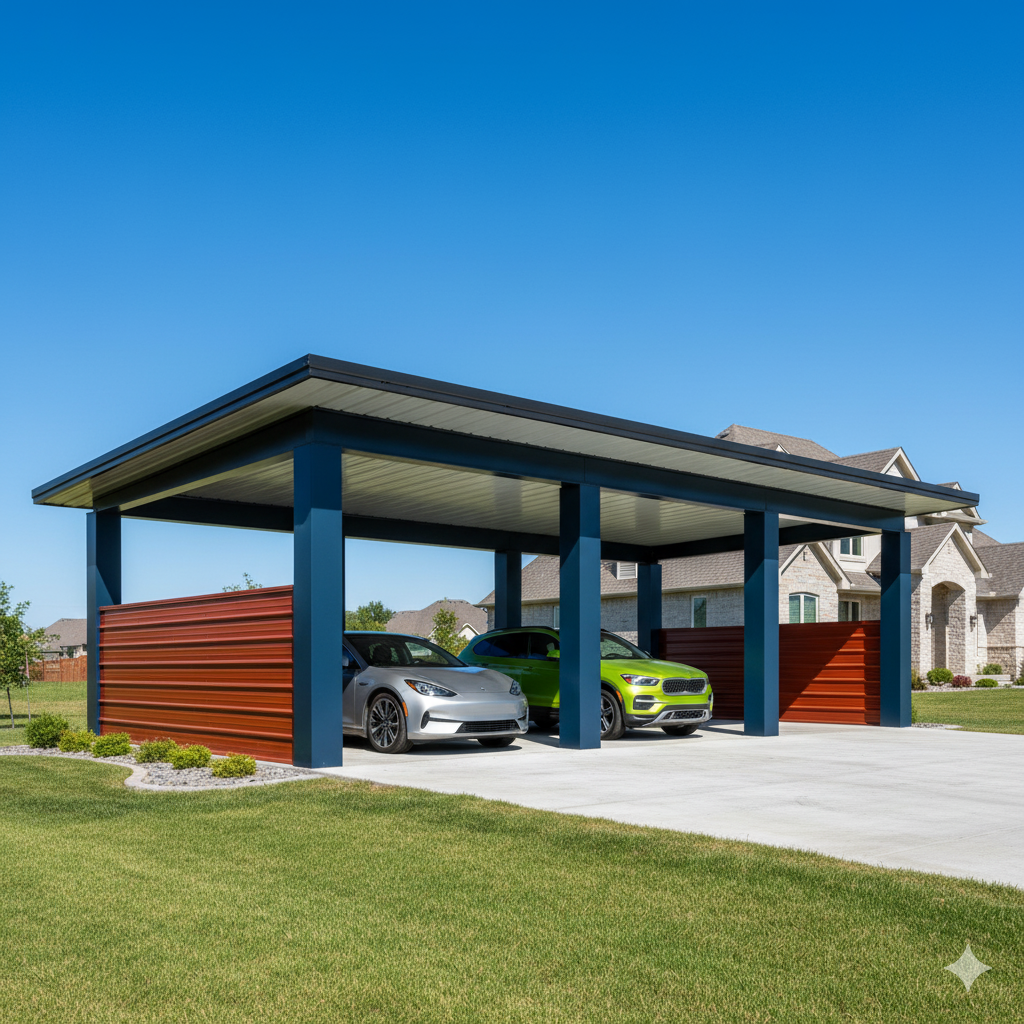
Selling carports in tornado-prone regions is different. In states like Oklahoma and Texas, buyers don’t...
Read more