Garages are no longer just storage spaces. In 2026, they are becoming smart, connected, and...
Read more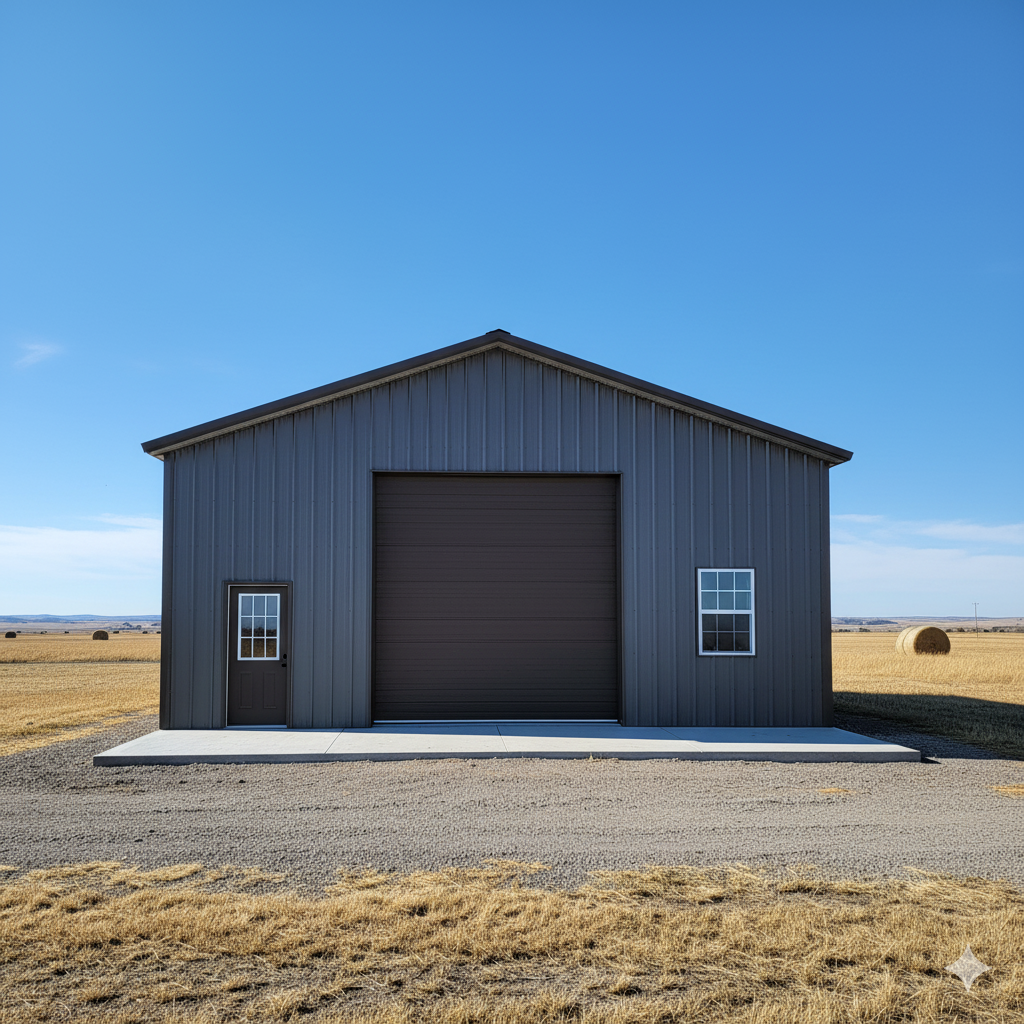
Sustainability has become a major priority across industries, especially in construction. As more businesses and homeowners look for environmentally responsible building solutions, metal buildings—particularly steel structures—are emerging as a top choice for eco-friendly construction.
Steel is one of the strongest, most recyclable materials in the world, and modern metal building systems are designed to reduce energy use, minimize waste, and deliver long-term sustainability benefits. At Metal Building Connect, we support customers who want durable structures that also align with green building goals.
Here’s a complete look at why eco-friendly metal buildings are transforming sustainable construction.
Steel Is the Most Recyclable Building Material in the World
Unlike many traditional building materials, steel can be recycled indefinitely without losing its strength or quality.
Metal buildings often contain up to 70% recycled steel, and at the end of their lifespan, nearly 100% of the structure can be reclaimed and reused.
This reduces:
-
Construction waste
-
Demand for raw materials
-
Environmental footprint
Choosing steel automatically lowers the environmental impact of any building project.
Energy Efficiency Through Better Insulation and Design
Metal buildings support energy-efficient construction through:
-
High-performance insulation systems
-
Cool roof coatings
-
Reflective metal roofing
-
Airtight building envelopes
-
Natural ventilation design options
These features help maintain indoor temperature, reduce heating and cooling costs, and lower overall energy consumption.
For warehouses, workshops, and commercial spaces, the long-term energy savings are significant.
Prefabricated Construction Reduces Waste and Carbon Emissions
Metal buildings are engineered and manufactured offsite, which leads to:
-
Minimal on-site waste
-
Faster installation
-
Reduced transportation emissions
-
Lower labor requirements
-
Greater precision and fewer material errors
Prefabrication is inherently greener than traditional construction methods, which often create large amounts of unused materials and debris.
Steel Buildings Have a Longer Lifespan
Longevity is a major contributor to sustainability. The longer a building lasts, the fewer resources are needed over time.
Metal buildings resist:
-
Termites and pests
-
Rust (with proper coatings)
-
Mold and rot
-
Fire damage
-
Extreme weather
Their long service life reduces the need for frequent repairs or rebuilds, making them a more sustainable investment.
Reduced Environmental Impact Through Smart Site Use
Steel buildings require less structural support, meaning less site disturbance and fewer resources used during construction.
Benefits include:
-
Smaller foundation requirements
-
Less land impact
-
Lower soil disruption
-
Better compatibility with green land planning
This makes metal buildings ideal for environmentally sensitive areas and for builders who want to minimize ecological impact.
Potential for Solar Integration and Renewable Energy Use
Metal roofs are excellent platforms for solar panels due to their durability and load-bearing capacity. They also require minimal modification for installation.
Advantages:
-
Reduced reliance on fossil fuels
-
Opportunity for off-grid power
-
Long-term energy savings
-
Lower building carbon footprint
Metal building owners often leverage renewable energy systems to amplify sustainability benefits.
Cool Roofing Technology Helps Reduce Urban Heat
Metal roofs with reflective coatings can lower roof temperatures by up to 30 percent. This reduces heat absorption and improves energy efficiency inside the building.
Cool roofs contribute to:
-
Lower cooling costs
-
Improved indoor comfort
-
Reduction of urban heat island effects
For commercial and residential projects in hot climates, this feature is particularly valuable.
Fewer Chemicals and Less Maintenance
Metal buildings require fewer chemicals and less frequent maintenance compared to wood or concrete structures.
They eliminate the need for:
-
Harmful termite treatments
-
Chemical-based rot prevention
-
Large quantities of paint or sealants
Less maintenance means fewer toxins released into the environment and lower long-term upkeep costs.
Supports Green Certifications and Sustainable Building Standards
Because metal buildings reduce waste, conserve energy, and utilize recyclable materials, they align well with sustainability certifications such as:
-
LEED
-
Energy Star
-
Green Globes
Builders looking to meet green building standards will find metal structures an efficient, cost-effective solution.
Conclusion
Eco-friendly metal buildings are reshaping the future of sustainable construction. With high recyclability, low waste, energy-efficient design options, and long-lasting durability, steel structures offer one of the greenest building solutions available today.
At Metal Building Connect, we help customers design environmentally conscious buildings that support long-term sustainability goals—without compromising strength, affordability, or performance.
Recent Blogs
Similar Blogs You May Like
Discover exciting categories. Find what you're looking for.

Selling carports in tornado-prone regions is different. In states like Oklahoma and Texas, buyers don’t...
Read more