Garages are no longer just storage spaces. In 2026, they are becoming smart, connected, and...
Read more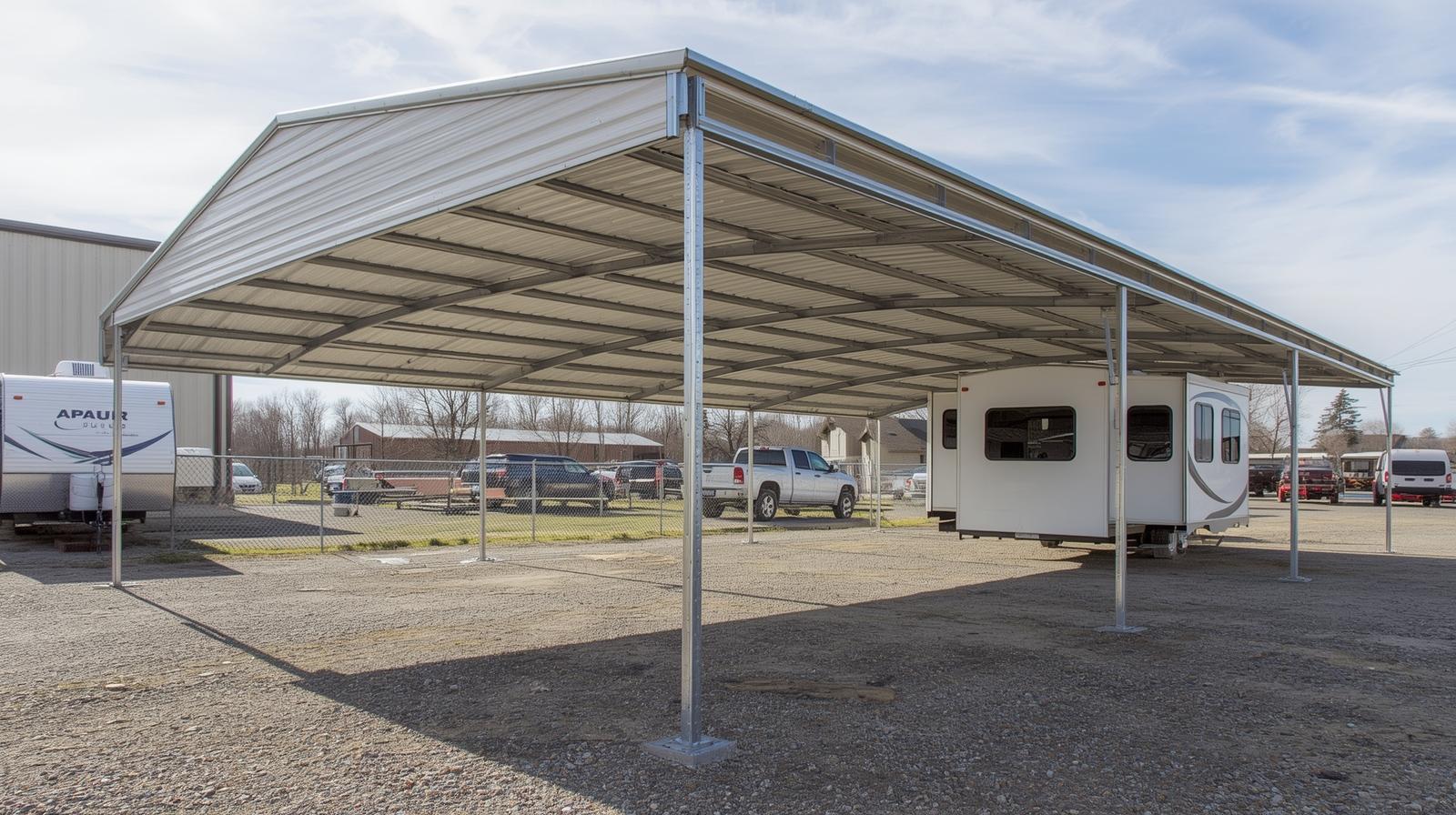
Anchoring is one of the most important steps in installing a metal carport. A strong anchoring system keeps the structure stable during storms, prevents shifting over time, and ensures long-term durability. But when it comes to choosing the right foundation, many buyers struggle with one key question:
Is it more reliable to anchor a carport on gravel or concrete?
Both options work, but each comes with strengths and limitations depending on budget, soil type, weather conditions, and building purpose.
In this guide from Metal Building Connect, we break down the differences between anchoring carports on gravel vs. concrete so you can make the right choice for your property.
Concrete: The Most Reliable Anchoring Surface
Concrete is the strongest, most durable foundation for carports. It offers exceptional stability and holds up well in harsh weather.
Why Concrete Is More Reliable
-
Provides a perfectly level and solid base
-
Strong resistance to shifting or settling
-
Ideal for heavy snow, strong winds, and high-traffic areas
-
Ensures precise installation and alignment
-
Reduces long-term maintenance
-
Works with advanced anchoring systems
Concrete provides secure anchoring points, ensuring your carport stays stable for decades.
When to Choose Concrete
Concrete is the best choice if you:
-
Live in an area with high winds or severe weather
-
Plan to store heavy vehicles, boats, or equipment
-
Want the longest-lasting foundation
-
Need a certified, permit-approved structure
-
Prefer a clean and finished appearance
For homeowners wanting maximum reliability, concrete remains the superior anchoring choice.
Gravel: A Budget-Friendly and Flexible Foundation
Gravel foundations are popular because they are more affordable and quicker to install. They provide decent support for lighter carports and general use, but their reliability varies based on ground conditions.
Advantages of Gravel
-
Cost-effective and easy to prepare
-
Offers good drainage
-
Works well in rural or uneven areas
-
Faster installation with minimal prep
-
Suitable for temporary or semi-permanent structures
Gravel is a practical solution when the carport is used for basic storage or where affordability is a priority.
Limitations of Gravel
While gravel works, it comes with limitations:
-
Not as stable as concrete
-
The ground may shift or settle over time
-
Anchors may loosen with erosion or soil movement
-
Harder to achieve perfect leveling
-
Not ideal for heavy wind or snow zones
Gravel anchoring holds well but not with the long-term precision and strength of concrete.
Anchoring Systems Used for Gravel vs. Concrete
Anchoring on Concrete
Installers typically use:
-
Concrete wedge anchors
-
Expansion anchors
-
Red-head anchors
These fasten tightly into pre-drilled holes, creating a permanent, highly secure connection.
Anchoring on Gravel
Anchoring systems include:
-
Auger (earth) anchors
-
Mobile home anchors
-
Large screw-type anchors
These are designed to penetrate soil or gravel and hold the structure in place through tension and ground resistance.
While reliable for moderate conditions, they are not as strong as concrete-based anchors.
Weather Impact: The Deciding Factor
For Wind-Prone Areas
Concrete is the clear winner. It provides superior resistance to uplift during storms.
For Snow Regions
Concrete allows stronger anchoring and reduces shifting under snow load.
For Mild Climates
Gravel works well if soil conditions are stable.
For Coastal or Flood Areas
Concrete provides necessary stability against erosion and uneven settling.
Cost Comparison
Concrete Foundation
-
Higher upfront cost
-
Longest lifespan
-
Best long-term value
-
Ideal for certified carports
Gravel Base
-
Lower cost
-
Faster to install
-
Good for temporary setups
-
Adequate for light structures
For buyers with limited budgets, gravel is a workable option. For long-term reliability, concrete is worth the investment.
Which Is More Reliable Overall?
Concrete is the more reliable option for anchoring a carport. It ensures:
-
Maximum stability
-
Better weather resistance
-
Longer lifespan
-
Strong anchor hold
-
Compliance with building codes
Gravel is suitable for basic needs, temporary installations, or low-budget projects, but it cannot match the structural reliability of concrete.
Conclusion
Choosing between anchoring a carport on gravel vs. concrete depends on your climate, budget, and long-term plans. While gravel offers affordability and convenience, concrete provides unmatched stability and durability.
At Metal Building Connect, we guide customers in choosing the right foundation and anchoring system based on their location and building requirements, ensuring safety, longevity, and performance.
Recent Blogs
Similar Blogs You May Like
Discover exciting categories. Find what you're looking for.

Selling carports in tornado-prone regions is different. In states like Oklahoma and Texas, buyers don’t...
Read more