Garages are no longer just storage spaces. In 2026, they are becoming smart, connected, and...
Read more
Industrial expansion projects demand speed, scalability, structural reliability, and cost efficiency. Traditionally, Reinforced Cement Concrete (RCC) structures were the standard choice for factories, warehouses, and production units. However, across global markets, steel buildings are increasingly replacing RCC in industrial projects.
At Metal Building Connect, we observe a clear shift in industrial construction preferences. This blog explains why steel buildings are replacing RCC in industrial expansion projects, and why manufacturers, logistics operators, and developers are making the transition.
Faster Construction Timelines
Speed is one of the biggest advantages of steel construction.
Steel buildings offer:
-
Off-site prefabrication
-
Faster on-site assembly
-
Minimal curing time
-
Reduced weather delays
In contrast, RCC construction requires:
-
Extensive formwork
-
Concrete pouring
-
Curing periods
-
Longer project schedules
For expanding industries, time directly impacts revenue. Faster completion means quicker operational readiness.
Lower Overall Project Costs
While RCC may appear stable and traditional, its overall cost is often higher when factoring in time, labor, and materials.
Steel buildings reduce costs through:
-
Shorter construction duration
-
Lower labor requirements
-
Predictable material usage
-
Reduced on-site waste
In expansion projects where speed and budget control are critical, steel provides financial advantages.
Scalability and Future Expansion
Industrial facilities rarely remain static. Expansion is often phased.
Steel buildings allow:
-
Easy vertical and horizontal extensions
-
Modular expansion
-
Flexible reconfiguration
-
Larger clear spans without internal columns
RCC structures are more rigid, making modifications expensive and time-consuming.
Larger Clear Span Capability
Modern industries require open floor spaces for:
-
Machinery installation
-
Storage systems
-
Production lines
-
Material handling equipment
Steel structures provide wide clear spans without multiple internal columns. RCC buildings often require additional supports, limiting layout flexibility.
Reduced Structural Load on Foundations
Steel structures are lighter than RCC.
This results in:
-
Reduced foundation requirements
-
Lower excavation costs
-
Faster foundation completion
-
Better performance in certain soil conditions
Lighter structures simplify expansion on existing industrial sites.
Improved Durability and Strength-to-Weight Ratio
Steel offers an exceptional strength-to-weight ratio.
Benefits include:
-
High load-bearing capacity
-
Resistance to seismic activity
-
Engineered wind-load performance
-
Long-term structural integrity
RCC can develop cracks over time and requires regular maintenance.
Industrial Aesthetics and Modern Design
Steel buildings support modern industrial design with:
-
Sleek finishes
-
Custom cladding options
-
Flexible roofing systems
-
Integrated ventilation systems
This aligns with contemporary industrial parks and smart infrastructure developments.
Sustainability and Environmental Efficiency
Sustainability is becoming central to industrial construction decisions.
Steel buildings offer:
-
Recyclable materials
-
Reduced construction waste
-
Energy-efficient insulation systems
-
Lower environmental footprint
Concrete production, by contrast, contributes significantly to carbon emissions.
Better Adaptation to Technological Upgrades
Modern industrial facilities frequently adopt new technologies and automation systems.
Steel buildings:
-
Allow easier installation of overhead cranes
-
Support mezzanine additions
-
Enable structural reinforcements
-
Adapt to production changes
RCC modifications are often costly and complex.
Reduced Maintenance Over Time
Steel buildings, when properly coated and maintained, require minimal upkeep.
Compared to RCC structures, steel:
-
Avoids concrete cracking issues
-
Resists structural settlement damage
-
Simplifies structural inspections
Lower maintenance translates into long-term savings.
Why Industries Are Making the Shift
Industrial developers prioritize:
-
Speed
-
Flexibility
-
Cost control
-
Scalability
-
Operational efficiency
Steel buildings align directly with these priorities, making them a preferred solution in expansion projects.
Conclusion
The shift toward steel buildings in industrial expansion projects is driven by practical advantages—faster construction, lower costs, greater scalability, and improved long-term performance. While RCC structures remain relevant in certain applications, steel construction is proving to be more adaptable and efficient for modern industrial growth.
At Metal Building Connect, we help industrial developers and manufacturers understand the structural and financial benefits of steel buildings, enabling smarter expansion decisions.
Recent Blogs
Similar Blogs You May Like
Discover exciting categories. Find what you're looking for.

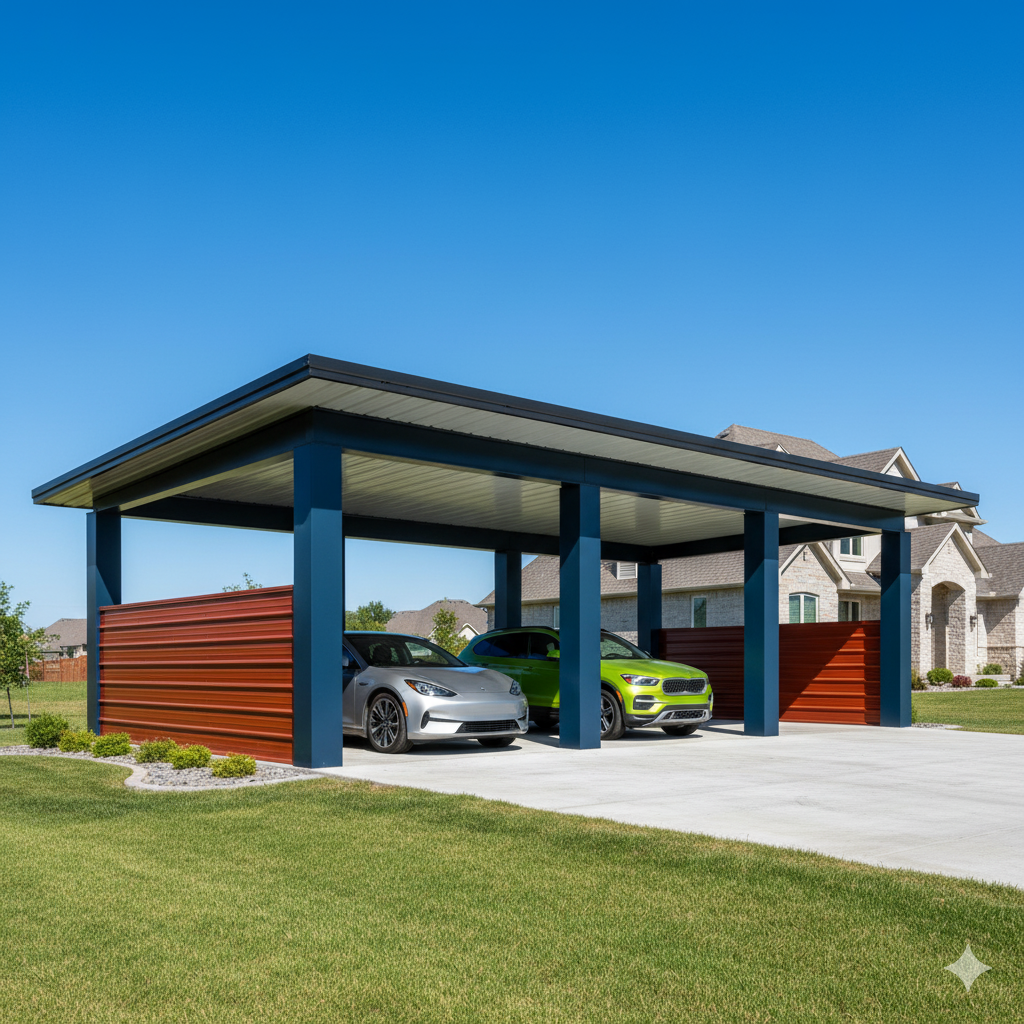
Selling carports in tornado-prone regions is different. In states like Oklahoma and Texas, buyers don’t...
Read more