Garages are no longer just storage spaces. In 2026, they are becoming smart, connected, and...
Read more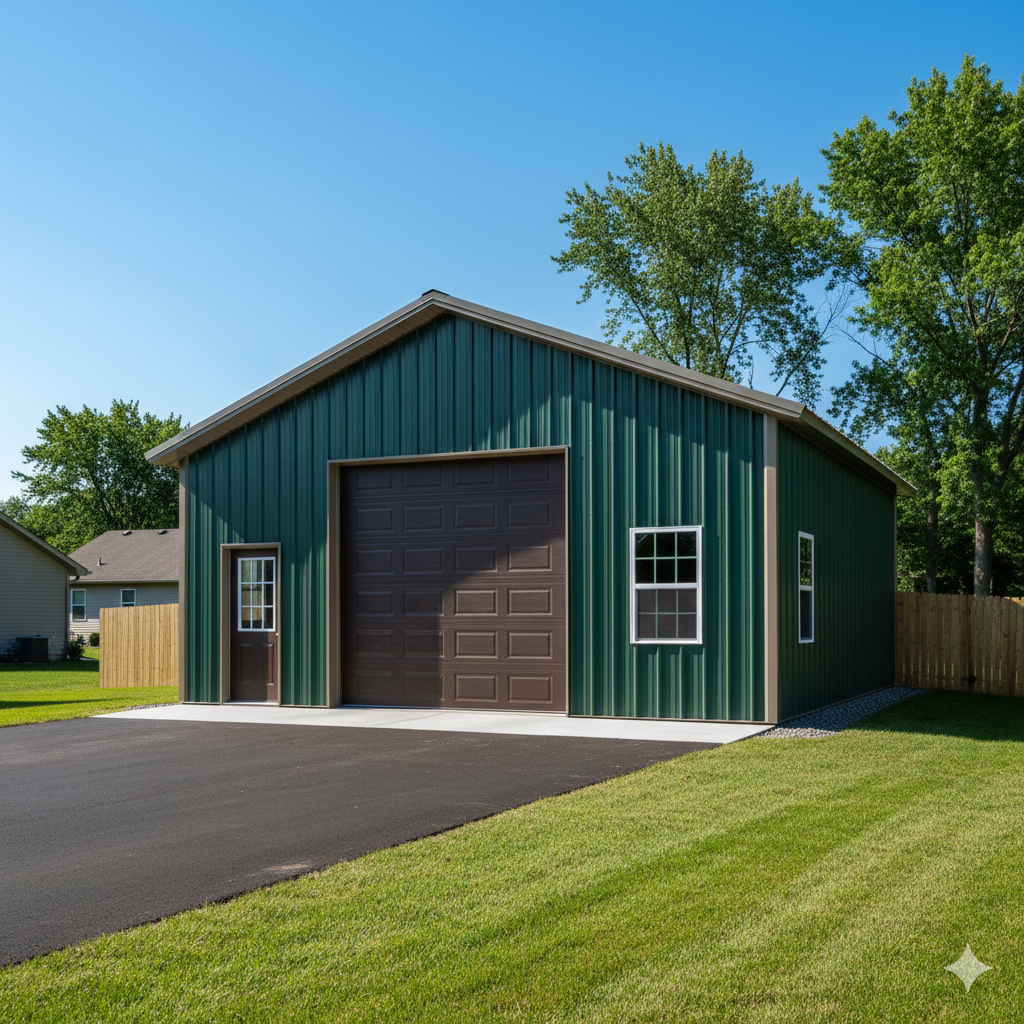
The metal building industry is entering a new era — one where artificial intelligence (AI) and data analytics are reshaping how buildings are designed, sold, and marketed.
What used to take days of manual drafting, calculations, and sales forecasting can now be done in minutes with precision. Whether it’s predicting customer demand, optimizing designs, or personalizing buyer journeys, AI and data analytics are becoming essential tools for manufacturers, dealers, and builders across the U.S.
Let’s explore how these technologies are redefining the way metal buildings are created and sold in 2025.
1. AI-Powered Design and Customization
Gone are the days when metal building design relied entirely on manual CAD inputs and standard templates.
Now, AI-driven design tools allow engineers and customers to visualize structures in real-time — tweaking dimensions, roof types, and materials instantly.
These tools use algorithms that:
-
Optimize designs for structural strength and cost-efficiency.
-
Recommend materials based on climate conditions.
-
Offer 3D visual previews before fabrication begins.
This not only speeds up design approvals but also enhances customer satisfaction, as clients can see exactly what they’re investing in before production starts.
2. Data-Driven Sales Forecasting
With market trends shifting due to steel price fluctuations and regional demands, data analytics gives metal building companies a clear advantage.
By analyzing sales history, website traffic, and customer inquiries, businesses can:
-
Predict peak demand seasons (like winter garage sales or summer barn installations).
-
Adjust pricing strategies according to material costs.
-
Stock the right materials to avoid delays and overproduction.
The result? Smarter inventory management and a more efficient sales pipeline.
3. Personalized Marketing and Lead Generation
In 2025, successful marketing isn’t about reaching everyone — it’s about reaching the right audience.
AI-powered marketing tools can segment potential buyers based on behavior, demographics, and intent. For example:
-
A visitor researching “custom barndominiums in Texas” can be shown a targeted ad or landing page with relevant designs.
-
Data analytics can track which type of buildings perform best in each region, helping dealers refine their ad spend for higher ROI.
This kind of precision targeting means fewer wasted ad dollars and more qualified leads for metal building businesses.
4. Predictive Maintenance and Smart Operations
AI doesn’t just help during design or sales — it continues to add value after installation.
With IoT (Internet of Things) sensors integrated into metal buildings, data can be collected to monitor structural health and maintenance needs.
For example:
-
Detecting roof stress or corrosion before it becomes a costly repair.
-
Monitoring insulation performance and energy efficiency.
-
Scheduling proactive maintenance alerts.
This turns a regular building into a smart metal building — one that helps owners save money and extend the structure’s life.
5. AI Chatbots and Virtual Assistants in Sales
Customer inquiries are one of the most time-consuming parts of the sales process.
Now, AI chatbots are handling those initial interactions — answering common questions, collecting contact details, and even providing instant quotes based on inputs like size, type, and location.
This allows sales teams to focus on serious buyers while maintaining a 24/7 customer service presence, improving conversion rates and response time.
6. Enhanced Customer Experience Through Insights
Every interaction, click, and inquiry can reveal valuable data.
Through analytics, companies can understand:
-
Which building types are most popular in different U.S. states.
-
What design styles or add-ons (like windows, colors, or roof types) buyers prefer.
-
What stage of the buying process customers drop off.
By using these insights, metal building companies can continuously refine their website, ads, and pricing — creating a seamless and personalized buying experience.
Conclusion
AI and data analytics aren’t the future of the metal building industry — they’re the present.
From smarter design tools to predictive sales and precision marketing, these technologies are reshaping how dealers and manufacturers grow their businesses.
Recent Blogs
Similar Blogs You May Like
Discover exciting categories. Find what you're looking for.

Selling carports in tornado-prone regions is different. In states like Oklahoma and Texas, buyers don’t...
Read more