Garages are no longer just storage spaces. In 2026, they are becoming smart, connected, and...
Read more
Extreme weather is becoming more common across the world. Regions now face stronger storms, heavier snowfall, intense heat, and unpredictable rainfall.
Because of this, builders and property owners are looking for stronger construction solutions. One material is standing out across industries.
Steel buildings in extreme-weather regions are becoming the preferred choice for warehouses, barns, garages, and industrial structures. Their strength, durability, and engineering flexibility make them highly reliable in harsh climates.
Strong Resistance to High Winds
Many extreme-weather areas experience hurricanes, cyclones, or strong seasonal storms.
Steel structures are engineered to handle high wind loads. Unlike traditional materials, steel frames provide strong structural stability.
Key advantages include:
-
High wind resistance
-
Strong anchoring systems
-
Reduced structural movement
-
Lower risk of building damage
This makes steel buildings ideal for coastal and storm-prone regions.
Reliable Performance in Heavy Snow
Cold regions face another challenge: heavy snow accumulation.
Steel buildings are designed to support specific snow-load requirements. Engineers calculate the load capacity during the design stage.
Because of this, steel roofs can:
-
Handle heavy snow weight
-
Prevent structural stress
-
Reduce the risk of roof collapse
Sloped roof designs also allow snow to slide off more easily.
Better Protection Against Moisture and Humidity
Extreme-weather regions often experience heavy rainfall and high humidity levels.
Traditional materials like wood can rot, warp, or attract pests in such environments. Steel buildings perform better because they are protected with corrosion-resistant coatings.
This provides:
-
Strong moisture resistance
-
Reduced mold or rot problems
-
Longer structural lifespan
As a result, maintenance needs remain low even in wet climates.
Fire Resistance in High-Risk Areas
Some regions face frequent wildfires or extremely high temperatures.
Steel structures offer an important safety advantage. Steel does not ignite like wood, which helps slow down fire spread.
This makes steel buildings safer in:
-
Forest-adjacent regions
-
Dry climates
-
High-temperature zones
Fire resistance is becoming a key factor in modern construction decisions.
Faster Construction After Natural Disasters
After extreme weather events, rebuilding infrastructure quickly becomes essential.
Steel buildings are often pre-engineered and prefabricated, which allows faster installation.
Builders can:
-
Reduce construction time
-
Deliver buildings faster
-
Restore operations quickly
This speed makes steel structures useful in disaster recovery and reconstruction projects.
Engineered for Local Climate Conditions
One major advantage of steel buildings is engineering precision.
Designers can customize structures based on regional conditions, including:
-
Wind speeds
-
Snow loads
-
Seismic activity
-
Temperature variations
Because of this, steel buildings can be optimized for almost any climate.
Lower Maintenance in Harsh Environments
Extreme weather often increases building maintenance costs.
However, steel structures require less upkeep compared to traditional materials.
Modern steel buildings offer:
-
Durable protective coatings
-
Long structural lifespan
-
Minimal repair requirements
This reduces long-term ownership costs.
Versatility Across Multiple Applications
Steel buildings are used in many industries operating in extreme climates.
Common applications include:
-
Industrial warehouses
-
Agricultural barns
-
Equipment storage buildings
-
Commercial garages
-
Logistics facilities
Their adaptability makes them a practical solution for various sectors.
Sustainability and Long-Term Value
Steel is also one of the most recyclable construction materials available.
Many modern steel buildings include:
-
energy-efficient insulation
-
sustainable materials
-
reduced construction waste
Because of this, steel construction supports long-term sustainability goals.
Conclusion
Extreme-weather conditions are forcing the construction industry to rethink traditional building methods. Stronger, more resilient structures are now essential.
This is why steel buildings in extreme-weather regions are becoming the first choice for developers, businesses, and property owners.
With superior strength, faster construction, and lower maintenance needs, steel structures provide a reliable solution for harsh climates.
At Metal Building Connect, we help buyers understand how steel buildings deliver long-term durability and performance in demanding environmental conditions.
Recent Blogs
Similar Blogs You May Like
Discover exciting categories. Find what you're looking for.

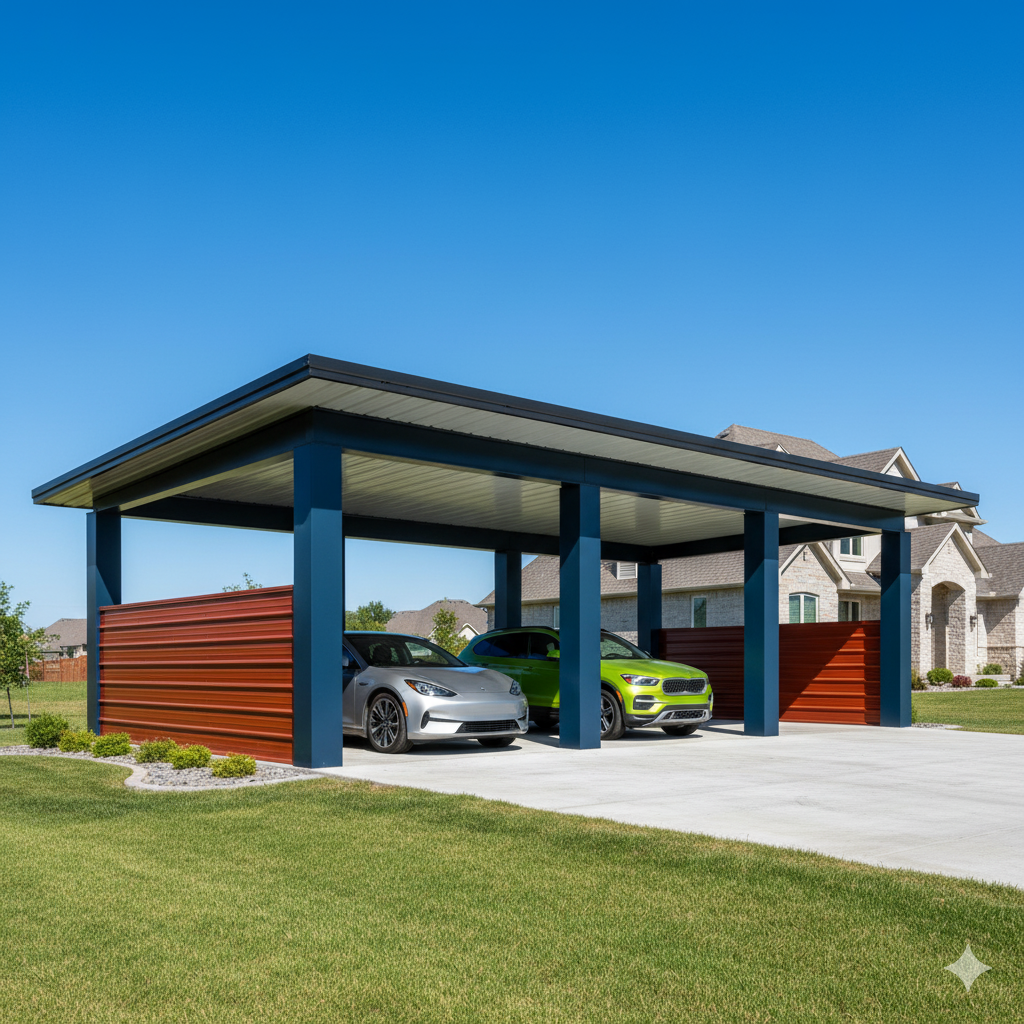
Selling carports in tornado-prone regions is different. In states like Oklahoma and Texas, buyers don’t...
Read more