Planning to build a garage for two vehicles? One of the biggest questions homeowners face...
Read more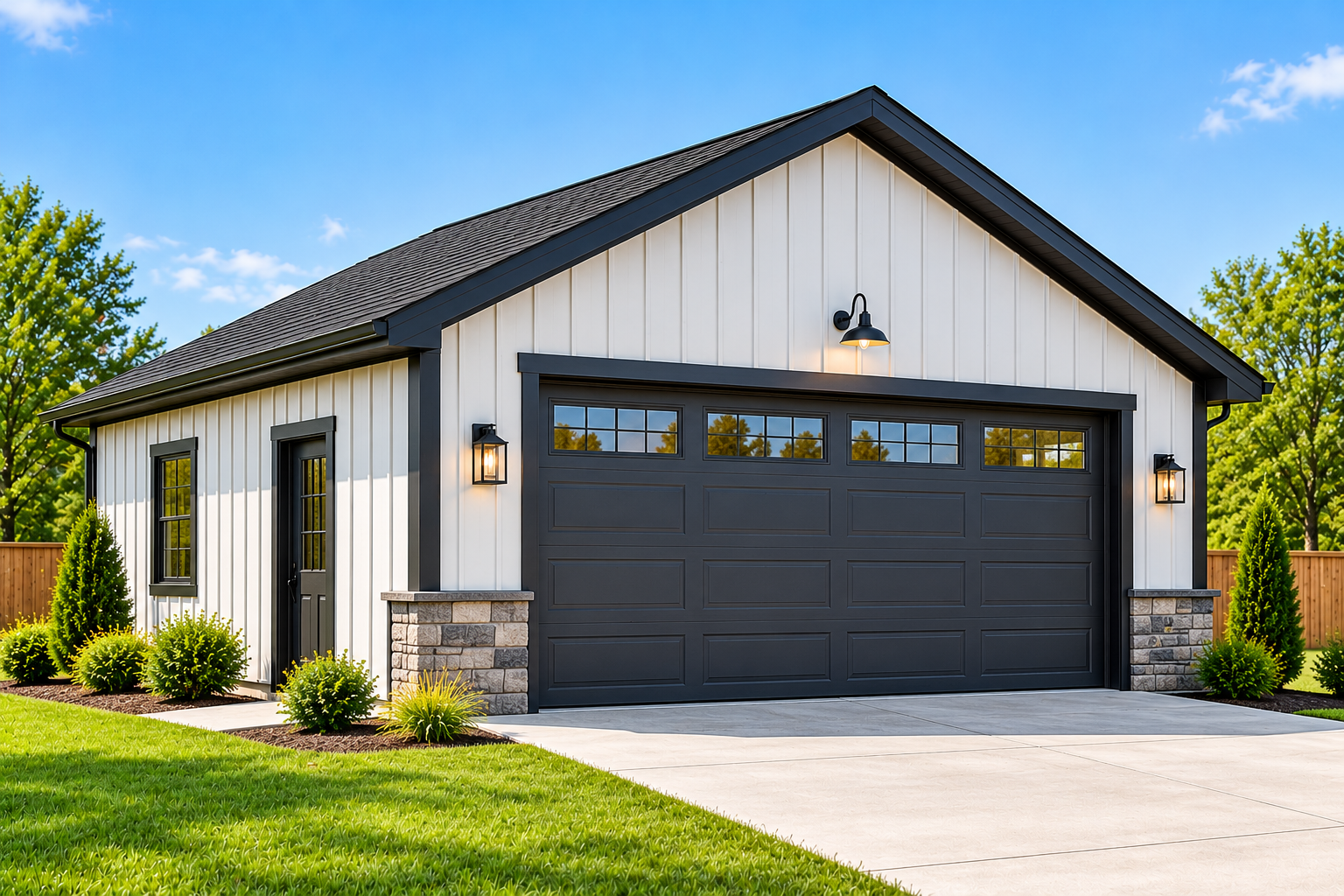
Planning to build a garage for two vehicles? One of the biggest questions homeowners face is choosing the right garage size. You want enough room to park your cars comfortably without spending extra money on unnecessary space.
A 24×30 metal garage is a popular option for homeowners who need secure vehicle storage, additional space for tools, and a practical parking arrangement. However, before investing in one, it’s important to understand whether these dimensions will accommodate your vehicles and everyday storage needs.
At Metal Building Connect, we understand that selecting the right garage dimensions can make a significant difference in convenience, functionality, and long-term value.
This guide explains how much space a 24×30 metal garage provides, whether two cars can fit comfortably, and how to plan an efficient layout.
Is a 24×30 Metal Garage Big Enough for Two Cars?
Yes, a 24×30 metal garage is generally large enough to accommodate two standard-sized cars comfortably. With 720 square feet of floor space, it provides room for parking, opening vehicle doors, and storing essential equipment.
The actual space available depends on your vehicle dimensions, garage door placement, and interior storage arrangements.
For example, two compact cars or midsize sedans can usually fit comfortably inside a 24×30 garage. Larger SUVs and pickup trucks may require more careful planning, particularly when considering door clearance and walking space.
If you want a garage that serves multiple purposes beyond parking, this size can offer a practical balance between functionality and affordability.
Understanding the Dimensions of a 24×30 Metal Garage
Before choosing a garage layout, it’s helpful to understand what the dimensions actually mean.
A 24×30 metal garage typically measures:
- Width: 24 feet
- Length: 30 feet
- Total Floor Area: 720 square feet
- Parking Capacity: Generally two standard vehicles
- Additional Space: Potential room for tools, shelves, and equipment
These measurements usually represent the building’s nominal exterior footprint. Interior usable dimensions may be slightly smaller depending on wall construction and framing.
The 30-foot length is particularly useful because it allows homeowners to create storage areas toward the back without interfering with vehicle parking.
How Much Space Do Two Cars Need in a 24×30 Garage?
The amount of space required depends on the types of vehicles you own.
Here is a general comparison of common vehicle dimensions:
| Vehicle Type | Approximate Length | Approximate Width |
|---|---|---|
| Compact Car | 13–15 feet | 5.5–6 feet |
| Midsize Sedan | 15–17 feet | 6–6.5 feet |
| SUV | 15–19 feet | 6–7 feet |
| Pickup Truck | 18–22 feet | 6.5–7 feet |
These are approximate body dimensions and exclude mirrors, open doors, and additional clearance.
For two midsize vehicles, a 24-foot-wide garage generally provides enough space for side-by-side parking when positioned correctly.
However, homeowners should also consider walking space between vehicles and clearance near garage walls.
Best Layout Ideas for a 24×30 Metal Garage
A well-planned garage layout makes everyday parking easier while improving storage efficiency.
1. Side-by-Side Two-Car Parking Layout
The most common arrangement involves parking two vehicles next to each other.
This layout works particularly well for families with two cars that are used regularly.
You can install two separate garage doors or choose one wider entrance, depending on your preferences and building design.
Separate doors allow each vehicle to enter independently, while a wider opening can provide greater flexibility when parking.
2. Two-Car Garage With Rear Storage
One advantage of a 30-foot-deep garage is the opportunity to create a storage area behind your vehicles.
Homeowners can use this additional space for:
- Gardening tools and lawn equipment
- Bicycles and outdoor accessories
- Wall-mounted storage shelves
- Seasonal household items
- Small workbenches and tool cabinets
Keeping storage near the rear wall helps maintain clear parking areas and reduces clutter around vehicle doors.
3. Garage With a Small Workshop
Do you enjoy repairing household equipment or working on DIY projects?
A 24×30 metal garage may provide enough space for a compact workshop alongside two vehicles.
Consider installing a narrow workbench along the rear wall or using wall-mounted tool organizers.
For larger workshop equipment, however, you may need to sacrifice some parking clearance or consider a bigger garage.
What Garage Door Size Is Best for a 24×30 Metal Garage?
Choosing the right garage door dimensions is essential for convenient vehicle access.
For a two-car metal garage, homeowners commonly consider:
- Two 9×7-foot doors: Suitable for many standard passenger vehicles.
- One 16×7-foot door: A common option for shared two-car access.
- Taller garage doors: Useful for certain trucks, SUVs, or vehicles with roof accessories.
Actual door suitability depends on vehicle width, mirror clearance, height, and the building’s structural design.
Before finalizing your garage, confirm that the door configuration leaves enough room for framing, side clearance, and safe vehicle movement.
What Are the Benefits of Choosing a 24×30 Metal Garage?
A properly designed metal garage offers several practical advantages.
Durable Vehicle Protection
Metal garages provide protection against rain, sunlight, wind, and other environmental conditions when designed and installed appropriately.
Their steel framing also offers a durable structural solution for long-term vehicle storage.
Flexible Interior Space
Unlike smaller garages, a 24×30 structure provides opportunities to organize parking, equipment storage, and basic workshop activities within one building.
Relatively Low Maintenance
Metal garage exteriors generally require less routine maintenance than many traditional wood structures.
However, regular inspections, cleaning, and attention to corrosion or damaged components remain important.
Customization Options
Homeowners can customize metal garages with windows, ventilation systems, insulation, additional doors, and storage features.
These options help make the garage more comfortable and practical for different uses.
Is a 24×30 Garage Better Than a 20×20 Garage?
A 20×20 garage provides 400 square feet, while a 24×30 garage offers 720 square feet.
That means the larger garage provides 320 additional square feet of floor area.
This extra space can make a noticeable difference when opening vehicle doors, moving around parked cars, or organizing tools.
A 20×20 garage may accommodate two smaller vehicles, but a 24×30 structure generally offers greater flexibility for families who need storage alongside parking.
Important Things to Consider Before Buying a 24×30 Metal Garage
Before purchasing your garage, evaluate your current and future requirements.
Measure your vehicles, including mirrors and accessories, and consider whether you might purchase a larger vehicle later.
You should also review your property’s available space, driveway access, drainage conditions, and local building regulations.
Foundation requirements, wind and snow loads, garage height, and insulation needs can also influence the final design and installation cost.
Planning these details early helps prevent expensive modifications after construction.
Frequently Asked Questions About 24×30 Metal Garages
Can two SUVs fit inside a 24×30 metal garage?
Yes, many standard-sized SUVs can fit side by side inside a 24×30 metal garage. However, larger models may reduce walking and door-opening clearance.
How many square feet is a 24×30 metal garage?
A 24×30 metal garage provides 720 square feet of nominal floor space, making it suitable for two-car parking and some additional storage.
Can I add a workshop to a 24×30 garage?
Yes, a small workshop can fit, particularly along the rear wall. Available working space depends on the dimensions of your parked vehicles.
Is a 24×30 metal garage suitable for pickup trucks?
Many pickup trucks can fit, but longer models require careful measurements to ensure adequate front, rear, and side clearance.
Is a 24×30 Metal Garage the Right Choice?
A 24×30 metal garage is a practical option for homeowners who need comfortable two-car parking with additional storage possibilities. Its 720-square-foot footprint offers greater flexibility than many smaller two-car garage designs.
However, the ideal layout depends on your vehicle sizes, garage door configuration, and intended use.
At Metal Building Connect, we help homeowners explore metal garage options that match their parking requirements, available property space, and budget.
Whether you need a simple two-car garage or a customized metal building with storage space, choosing the right dimensions today can make your garage more useful for years to come.
Recent Blogs
Similar Blogs You May Like
Discover exciting categories. Find what you're looking for.
Protecting your vehicle from harsh weather, falling debris, intense sunlight, and everyday outdoor exposure is...
Read more